Presentation
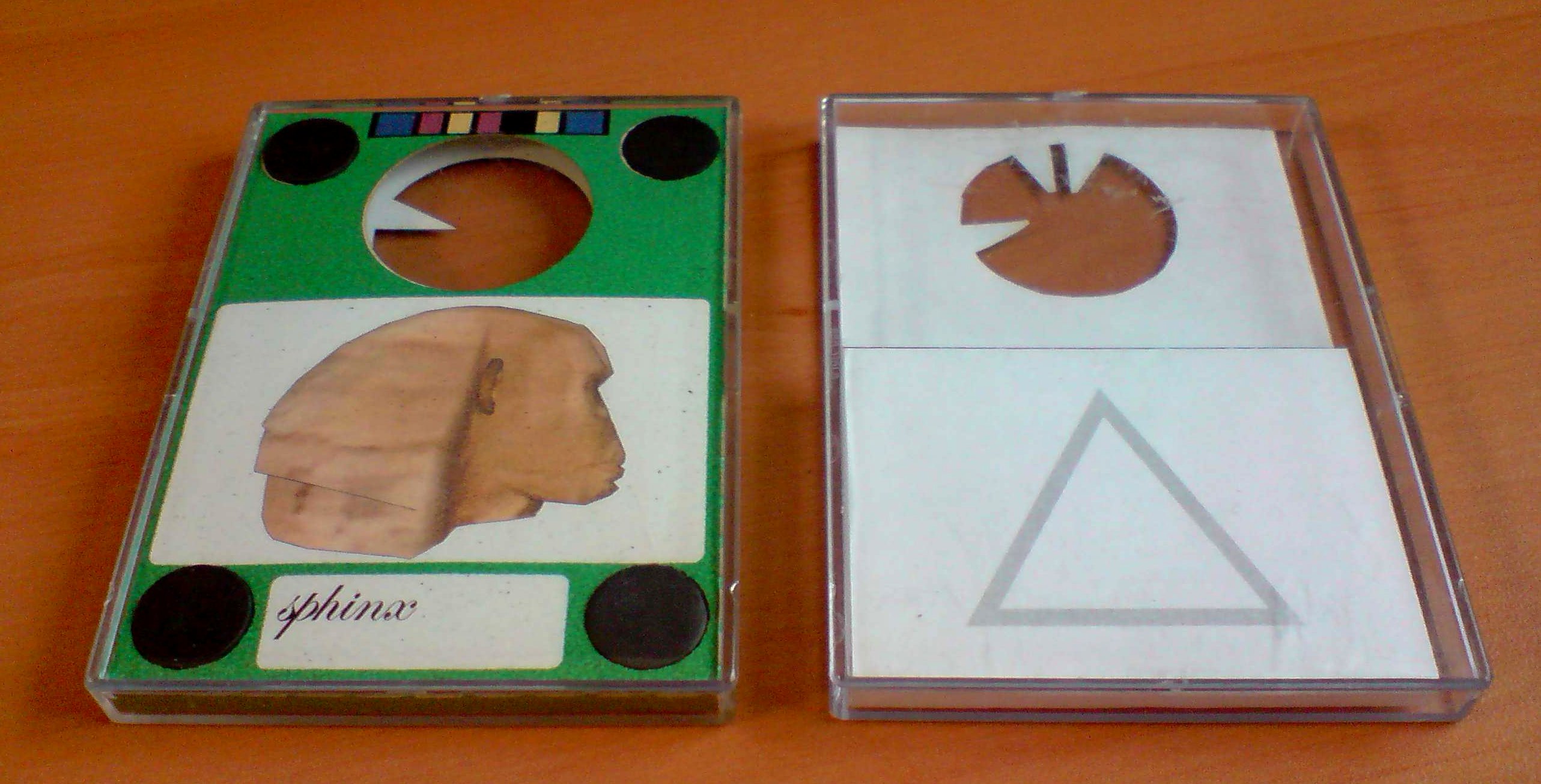
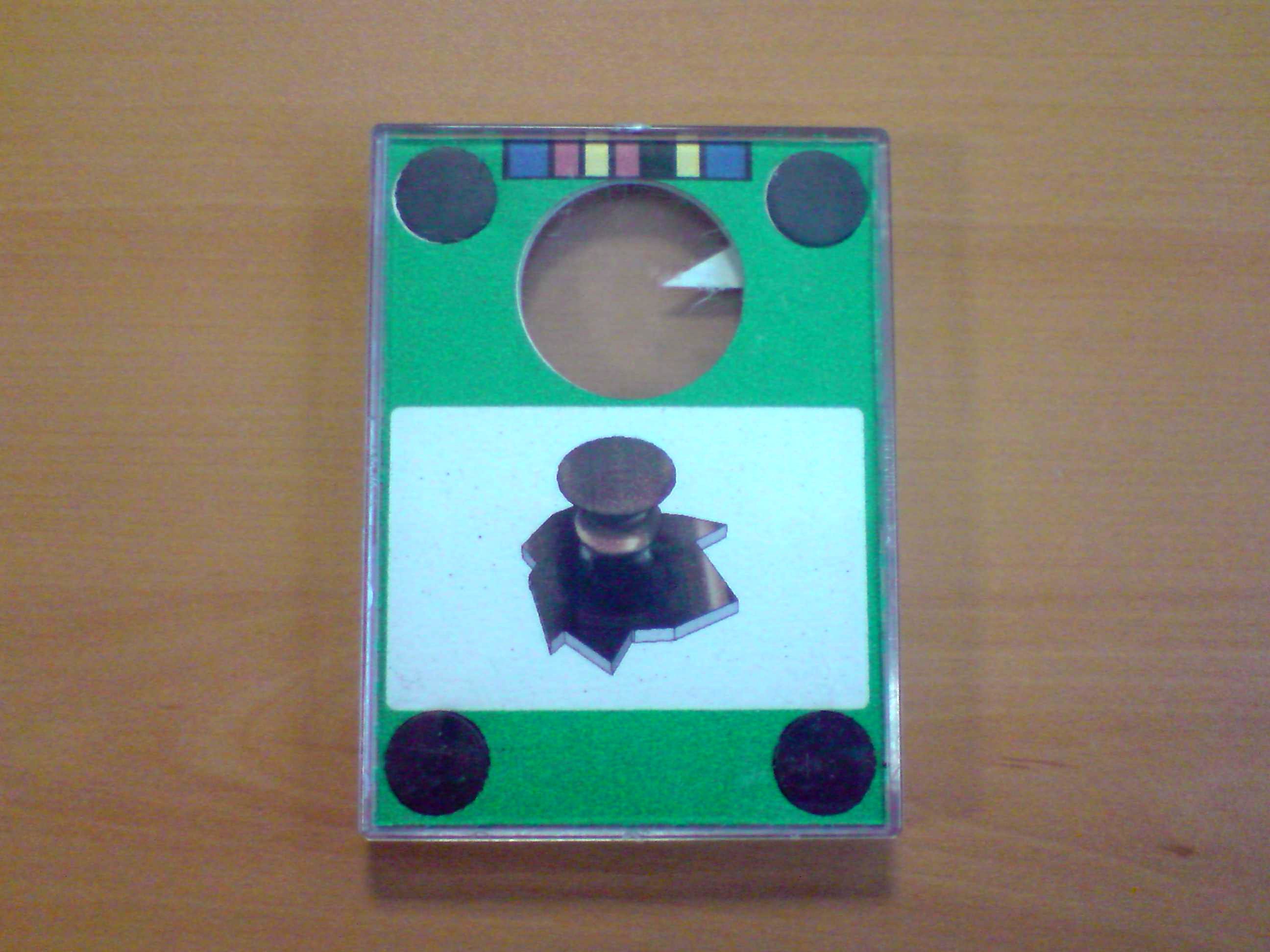
The Cartouches [2] are tangible objects that are used to represent digital data and operations. The presence of a Cartouche can be detected using RFID tags or optical tags.
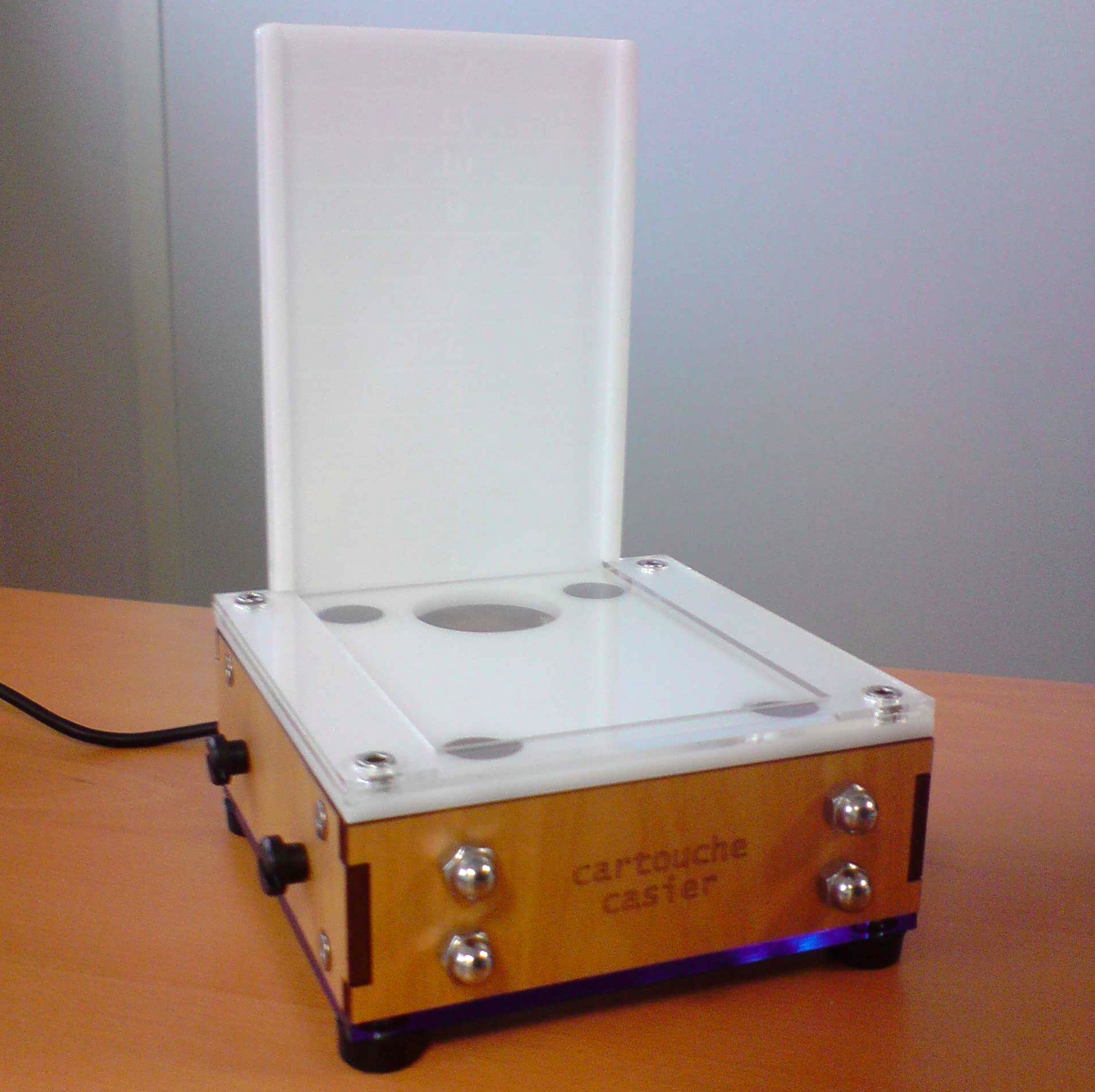
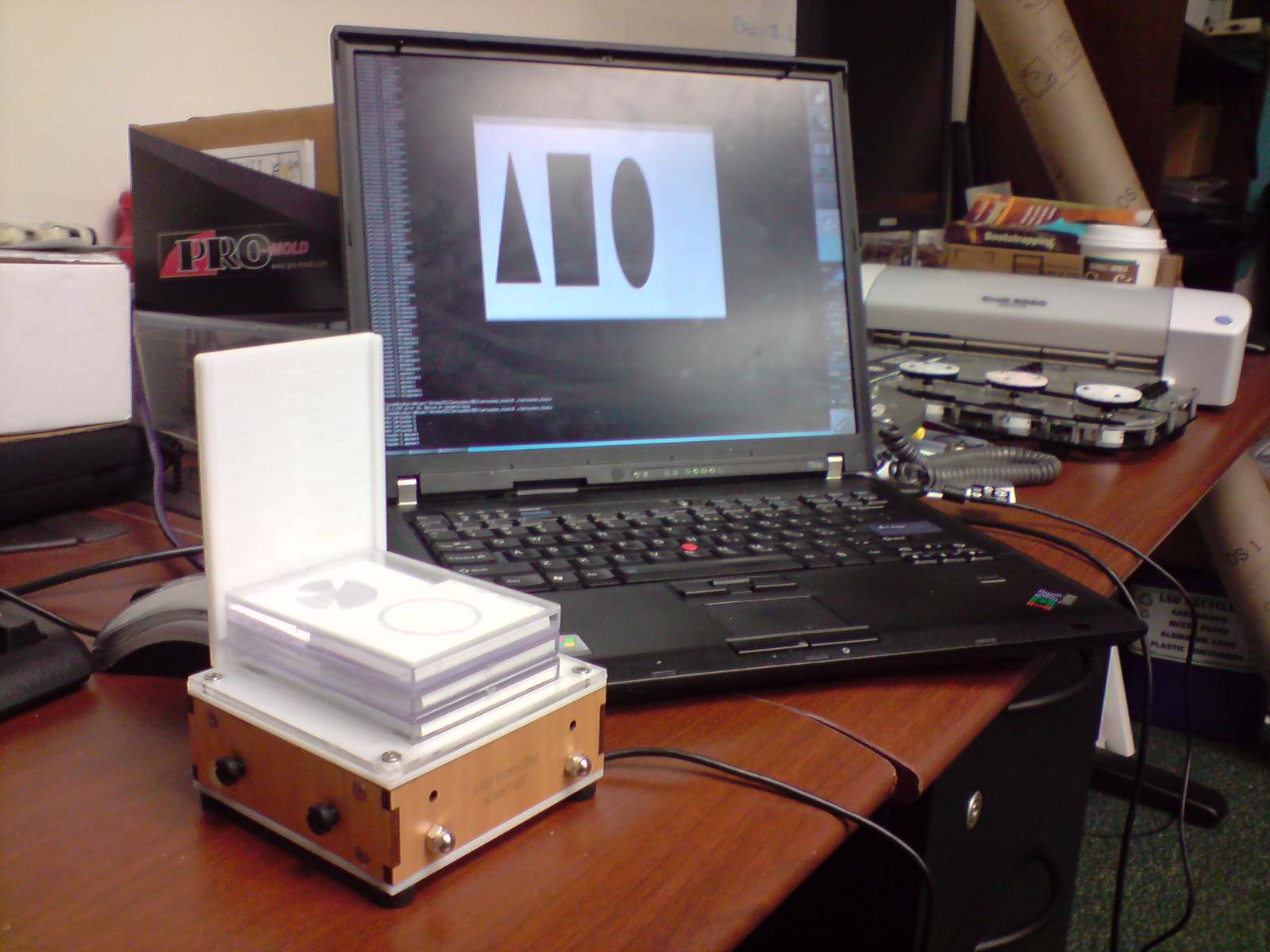
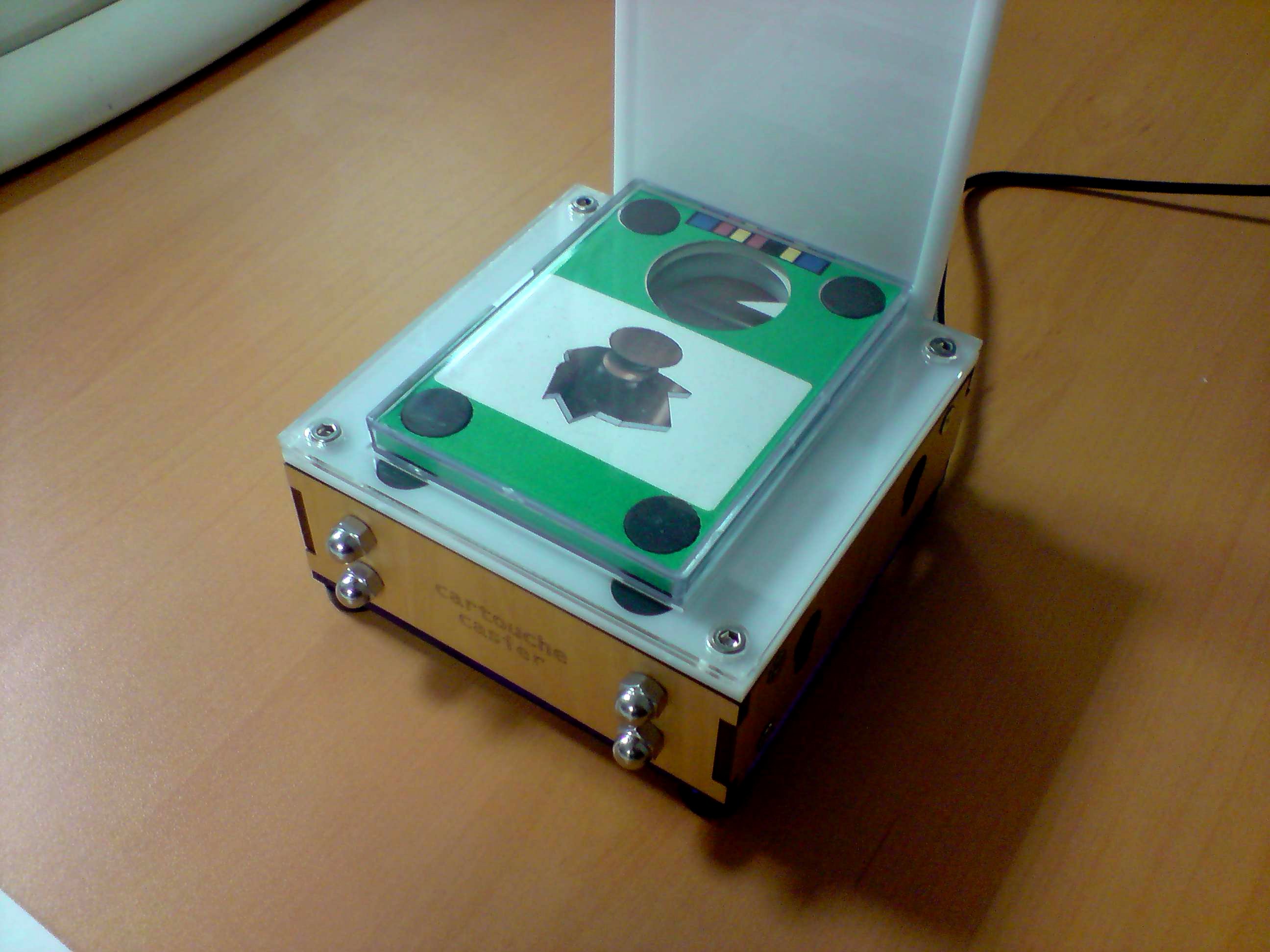
A Casier is a tray where a Cartouche can be placed and detected, for example to activate a data or trigger an action.
Inspired by the work of Bartindale and Harrison [1], stacks of Cartouches can be detected thanks to a webcam (see the demonstration in the video).
 (DivX 43 Mo 2'24)
[1] Stacks on the Surface: Resolving Physical Order Using Fiducial Markers With Structured Transparency
Bartindale T. and Harrison C. Proceedings of the ACM International Conference on Interactive Tabletops and Surfaces, (Banff, Alberta, Canada, November 23-25, 2009). ACM (2009).
[homepage / youtube]
[2] Cartouche: conventions for tangibles bridging diverse interactive systems
Ullmer B., Dever Z., Sankaran R., Toole C., Freeman C., Cassady B., Wiley C., Diabi M. and Wallace A. Proceedings of the fourth ACM International Conference on Tangible, Embedded and Embodied Interaction, (Cambridge, MA, USA, January 25-27, 2010). ACM (2010).
People



Nadine Couture (homepage)
Patrick Reuter (homepage)
Guillaume Rivière (homepage)
Brygg Ullmer (tangviz lab)
Hardware
First sketches
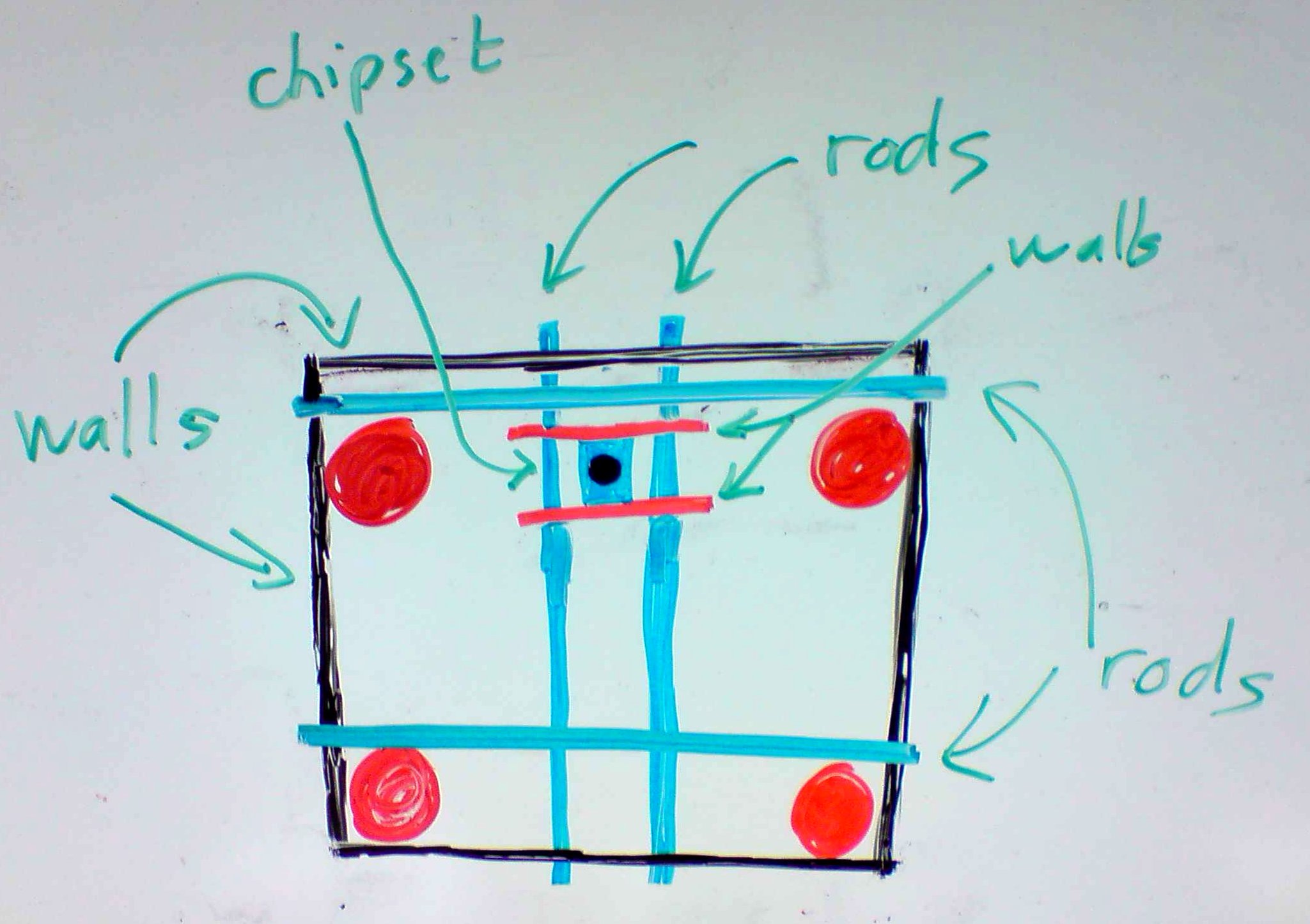
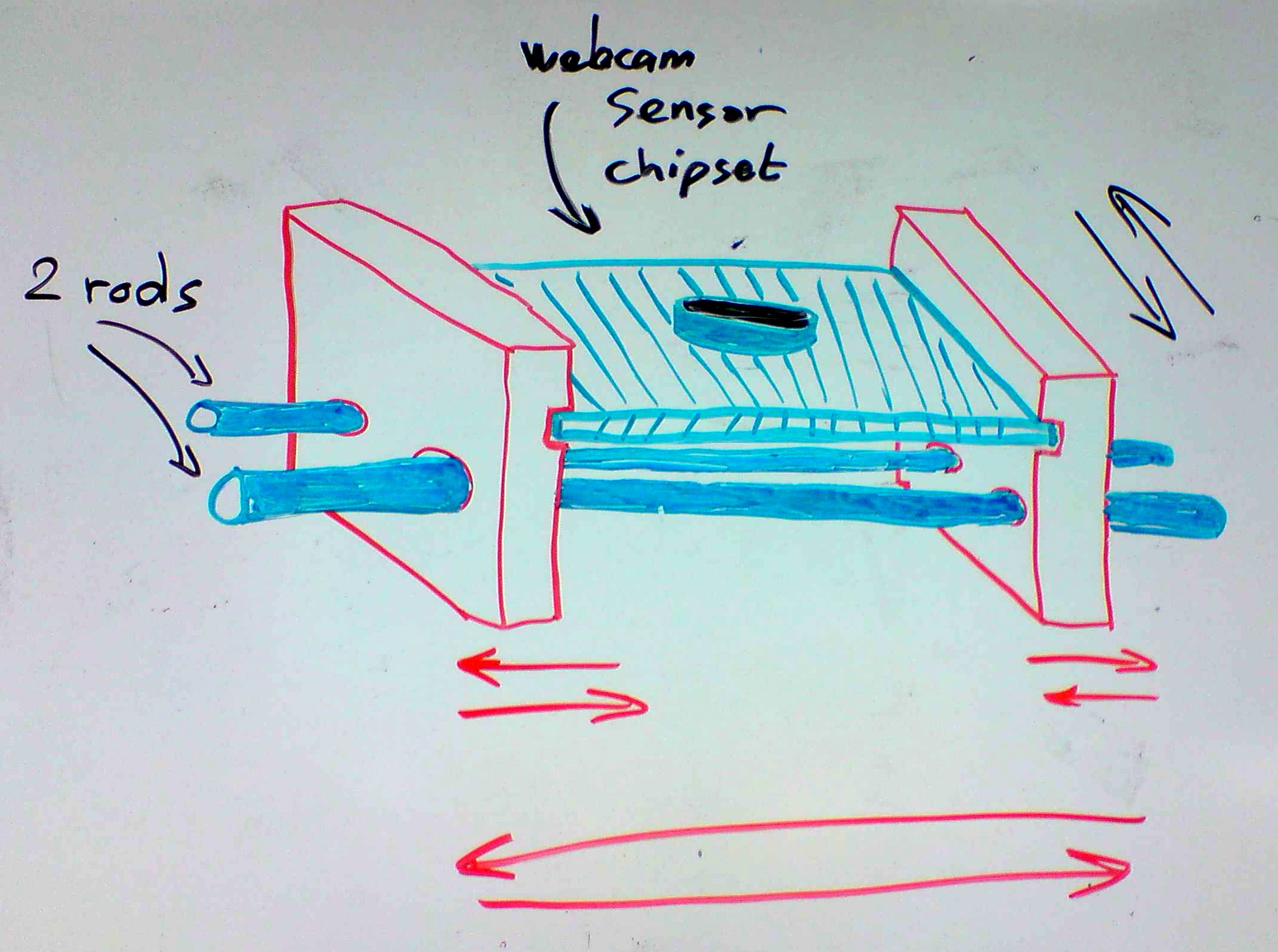
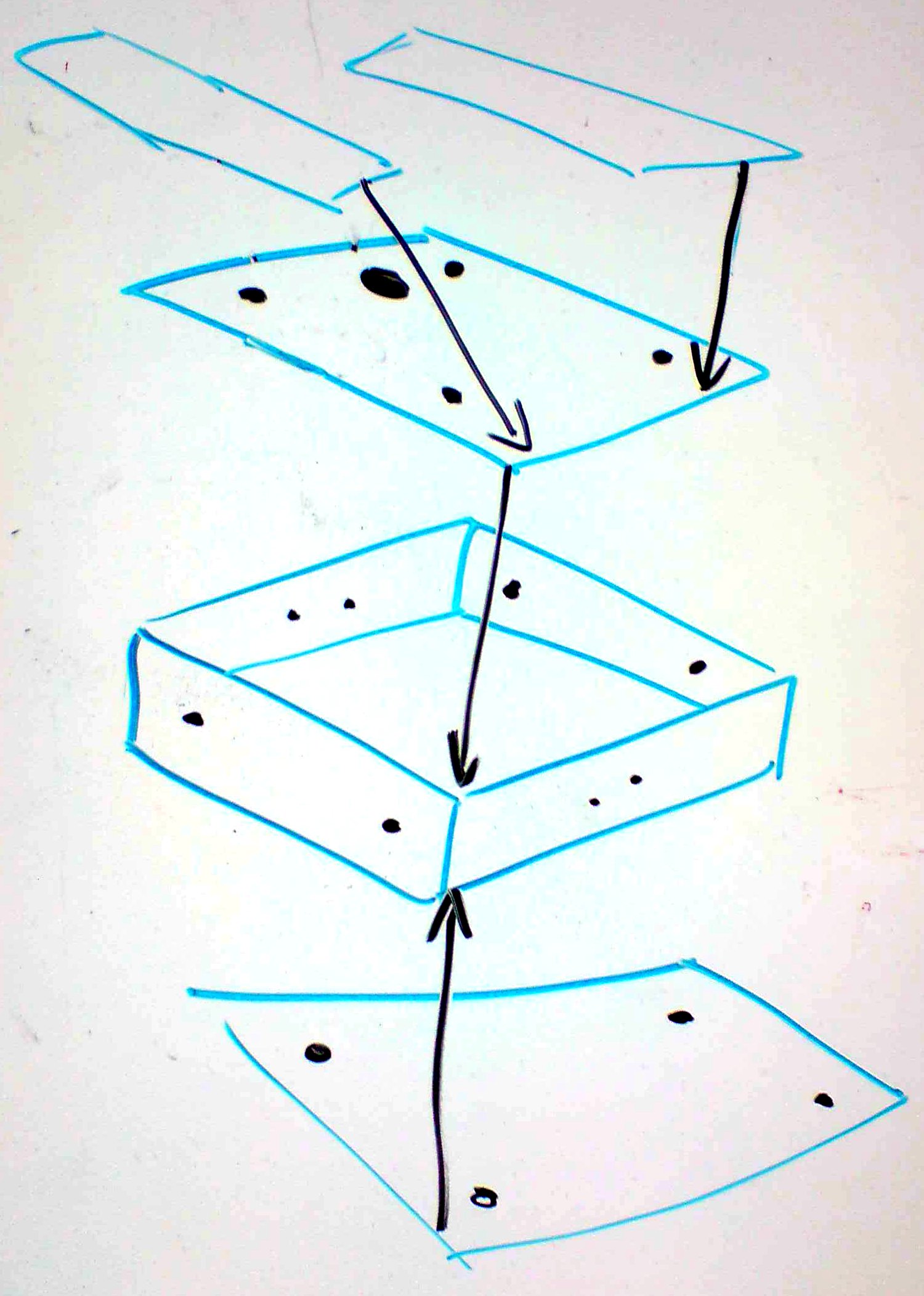
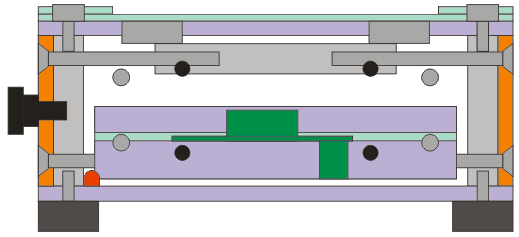
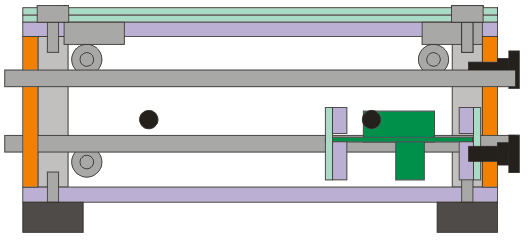
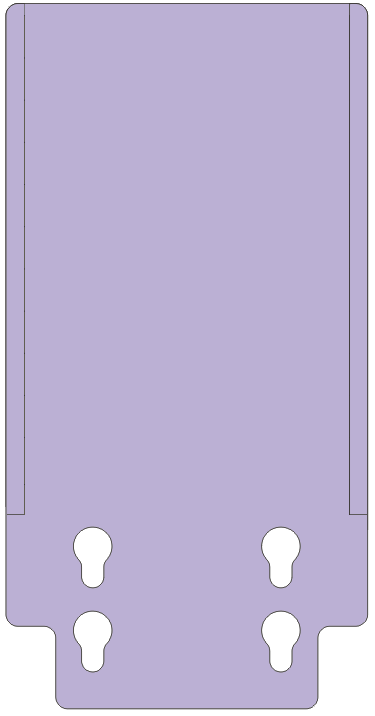
Technical diagrams
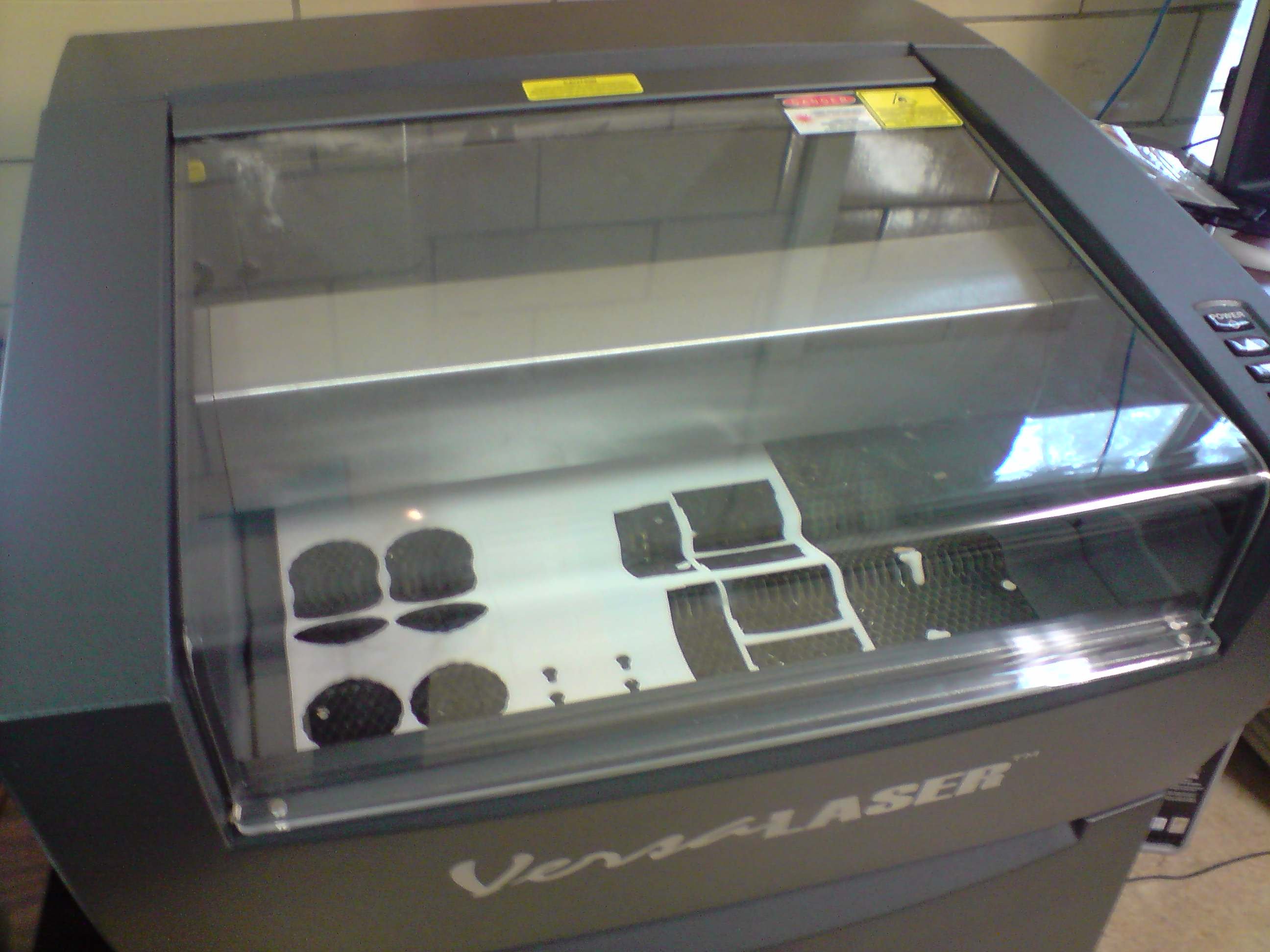
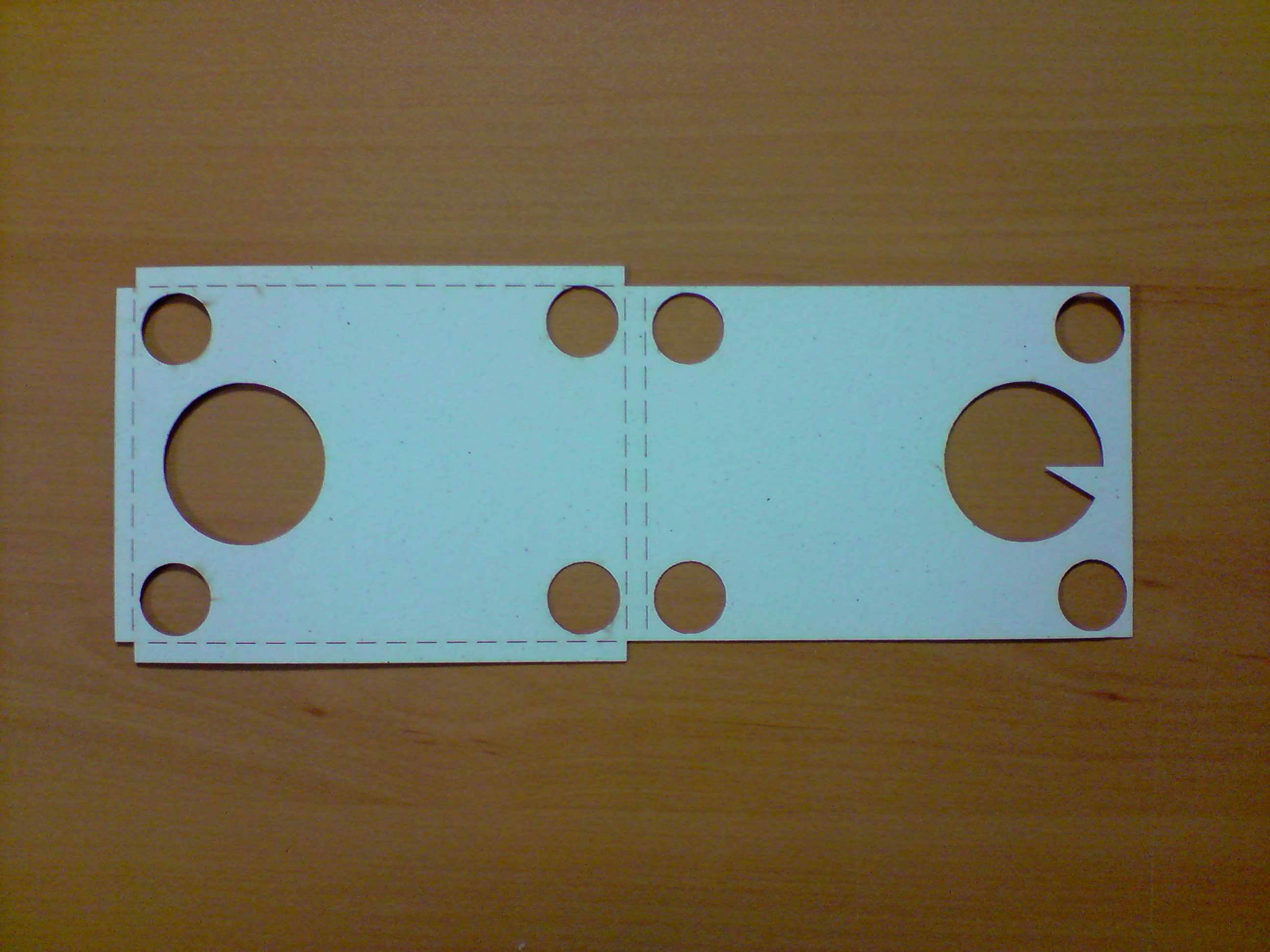
Laser cutting
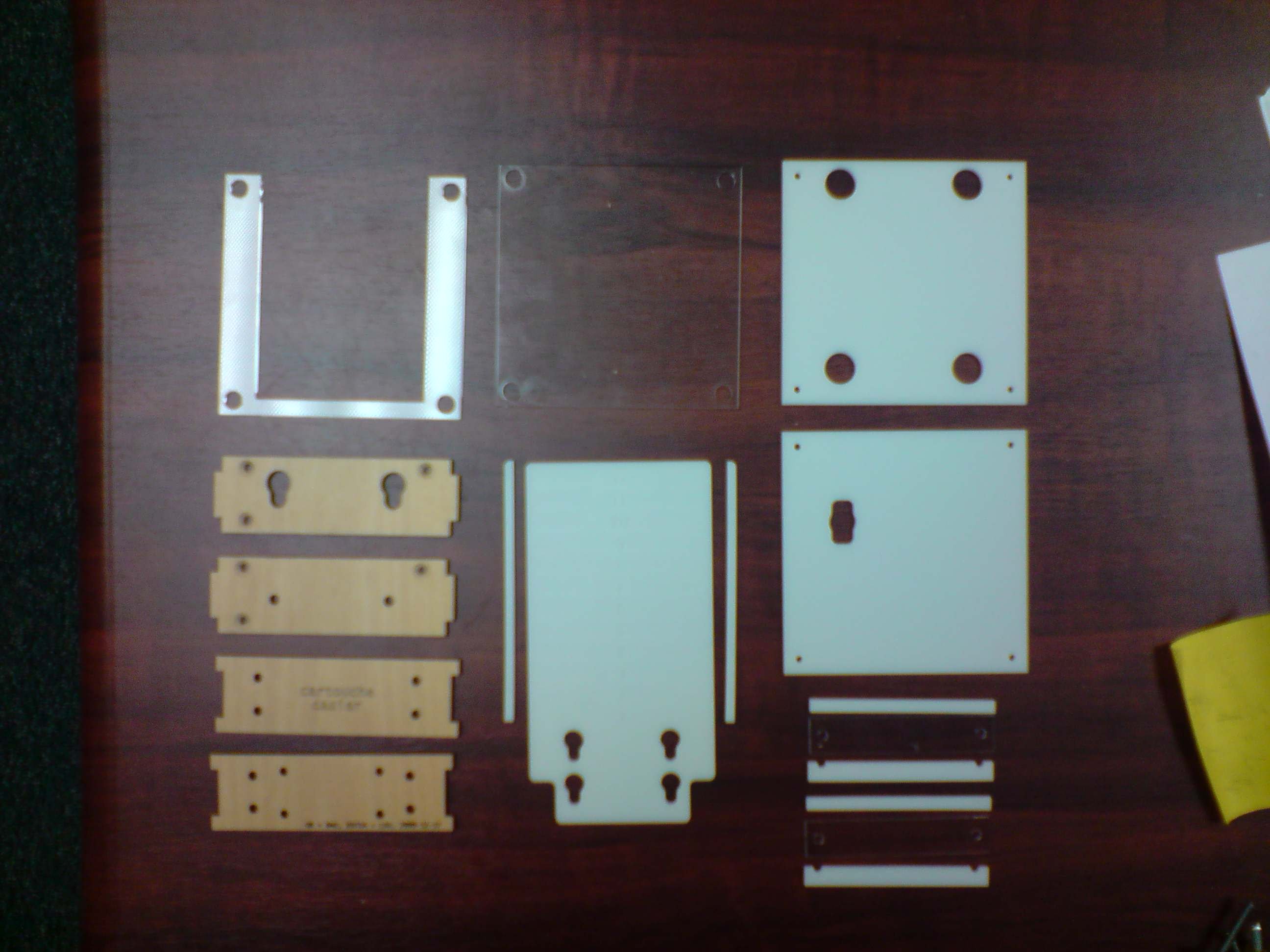
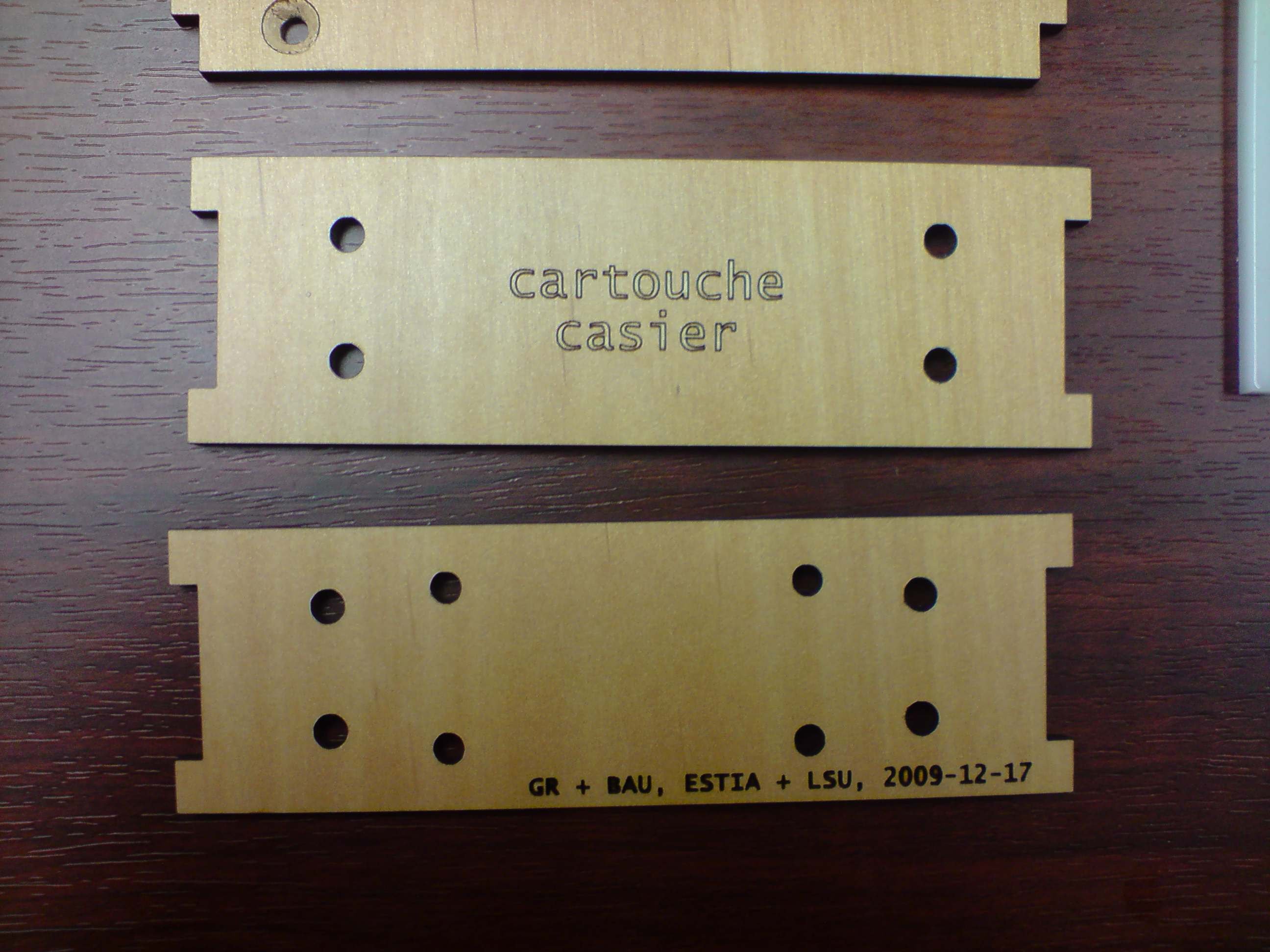
Assembly steps
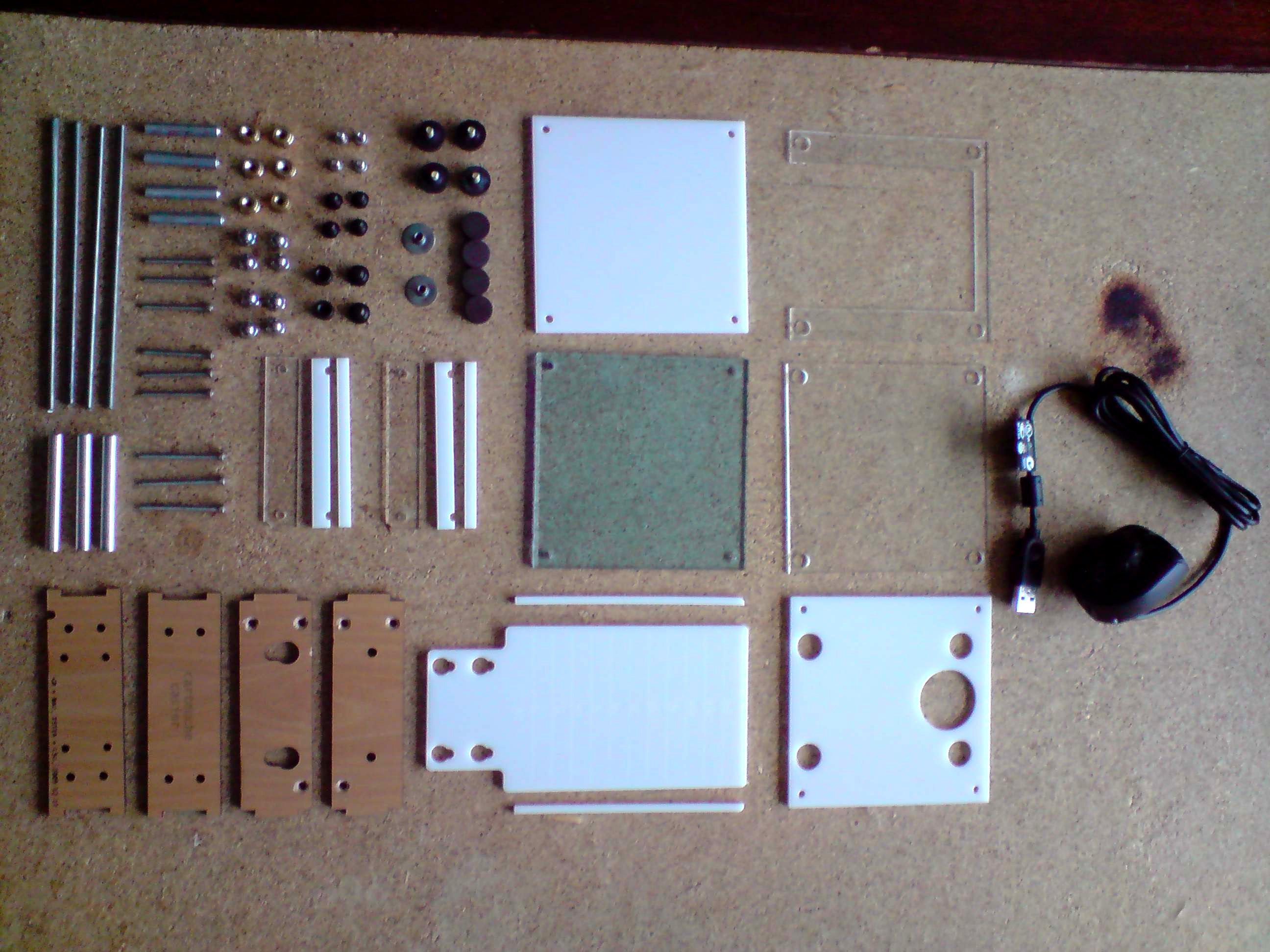
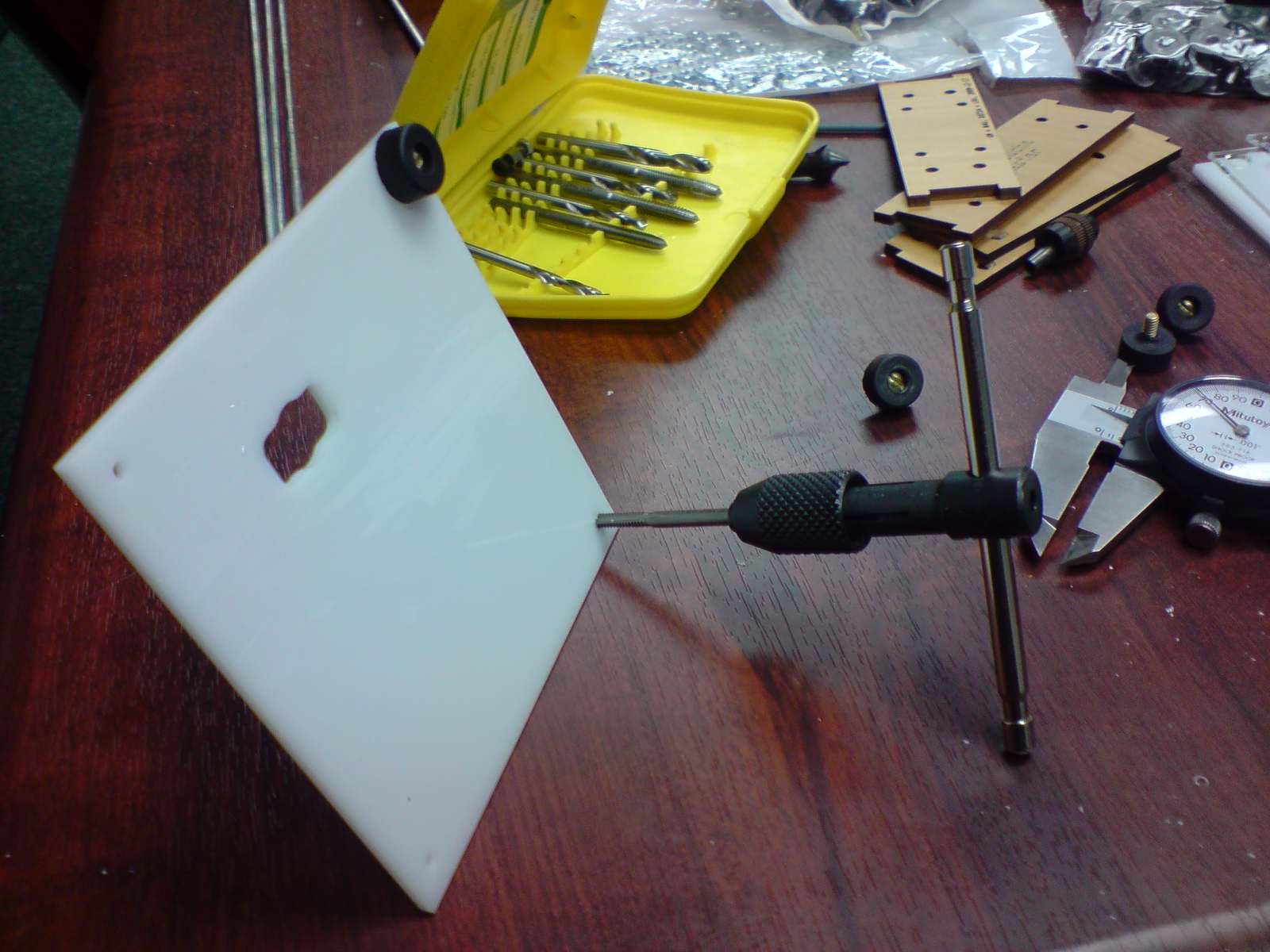
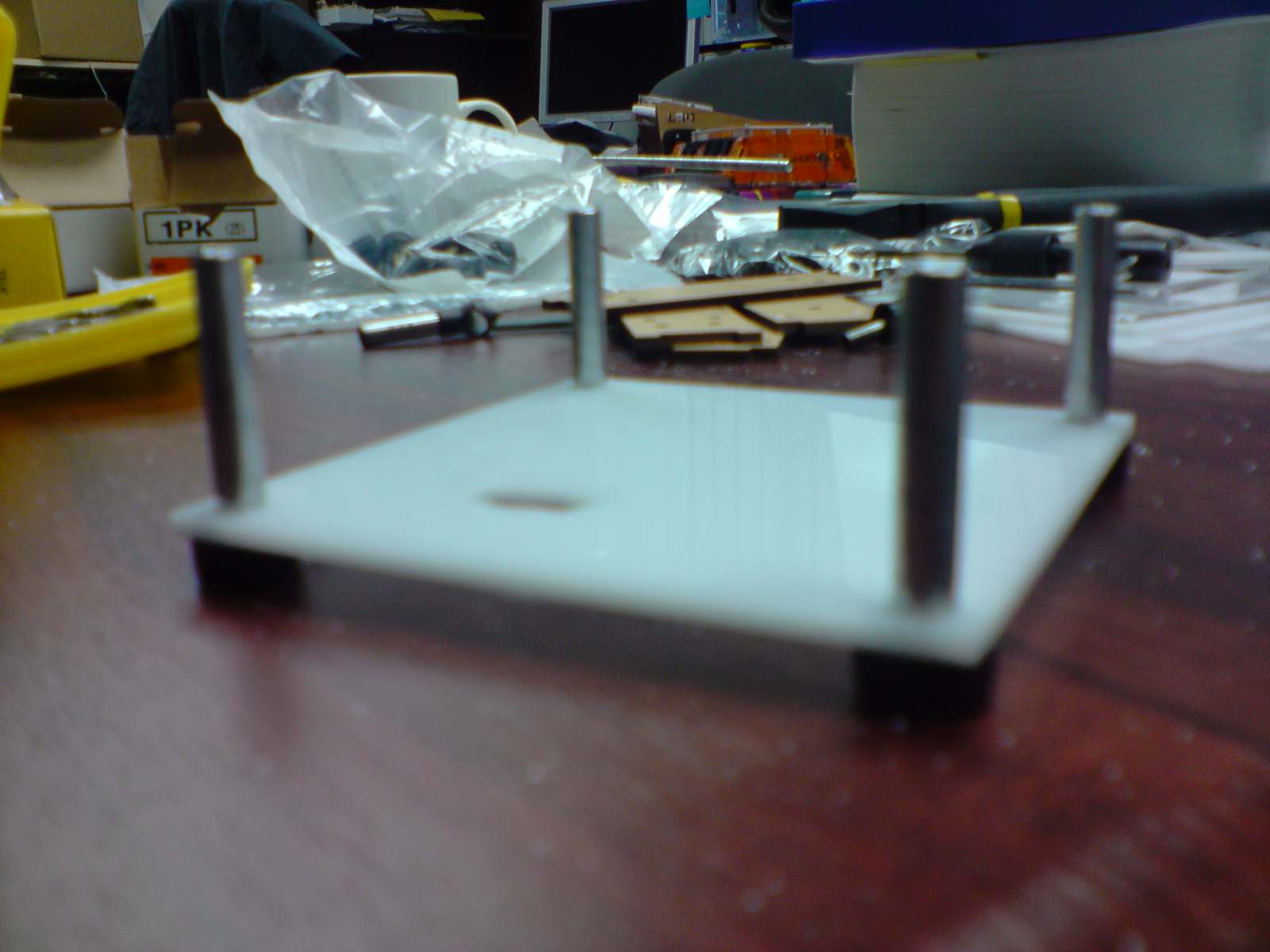
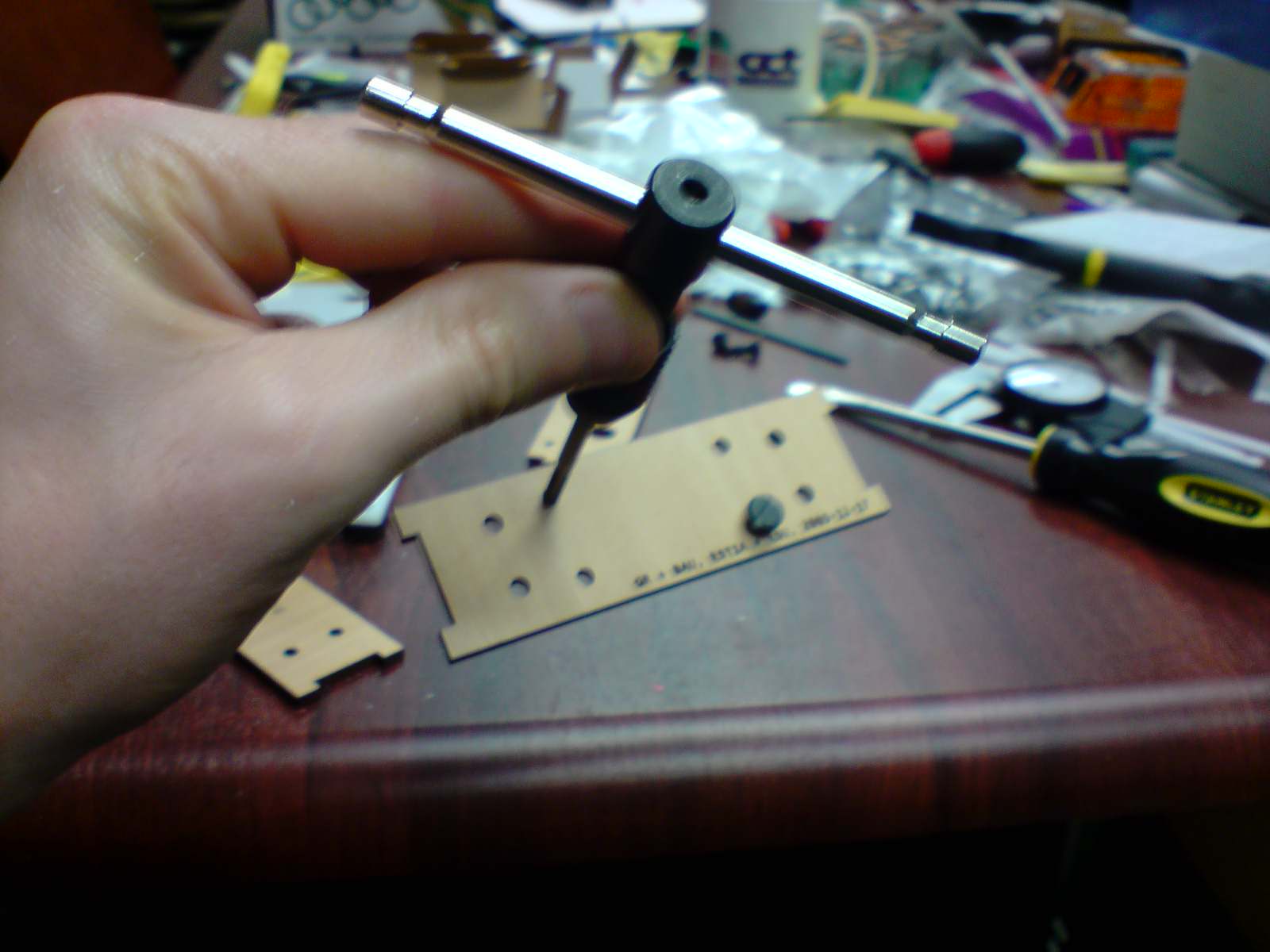
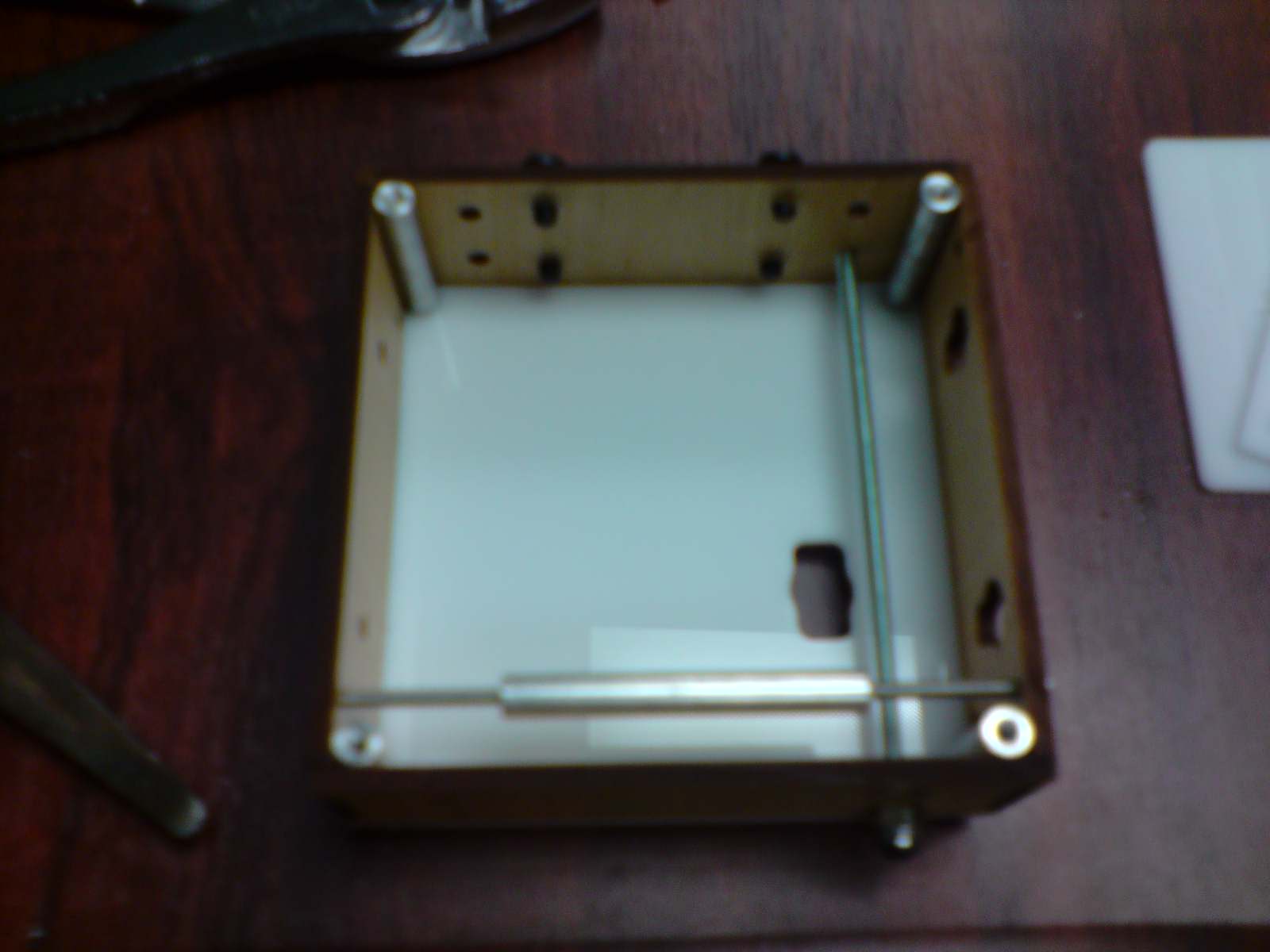
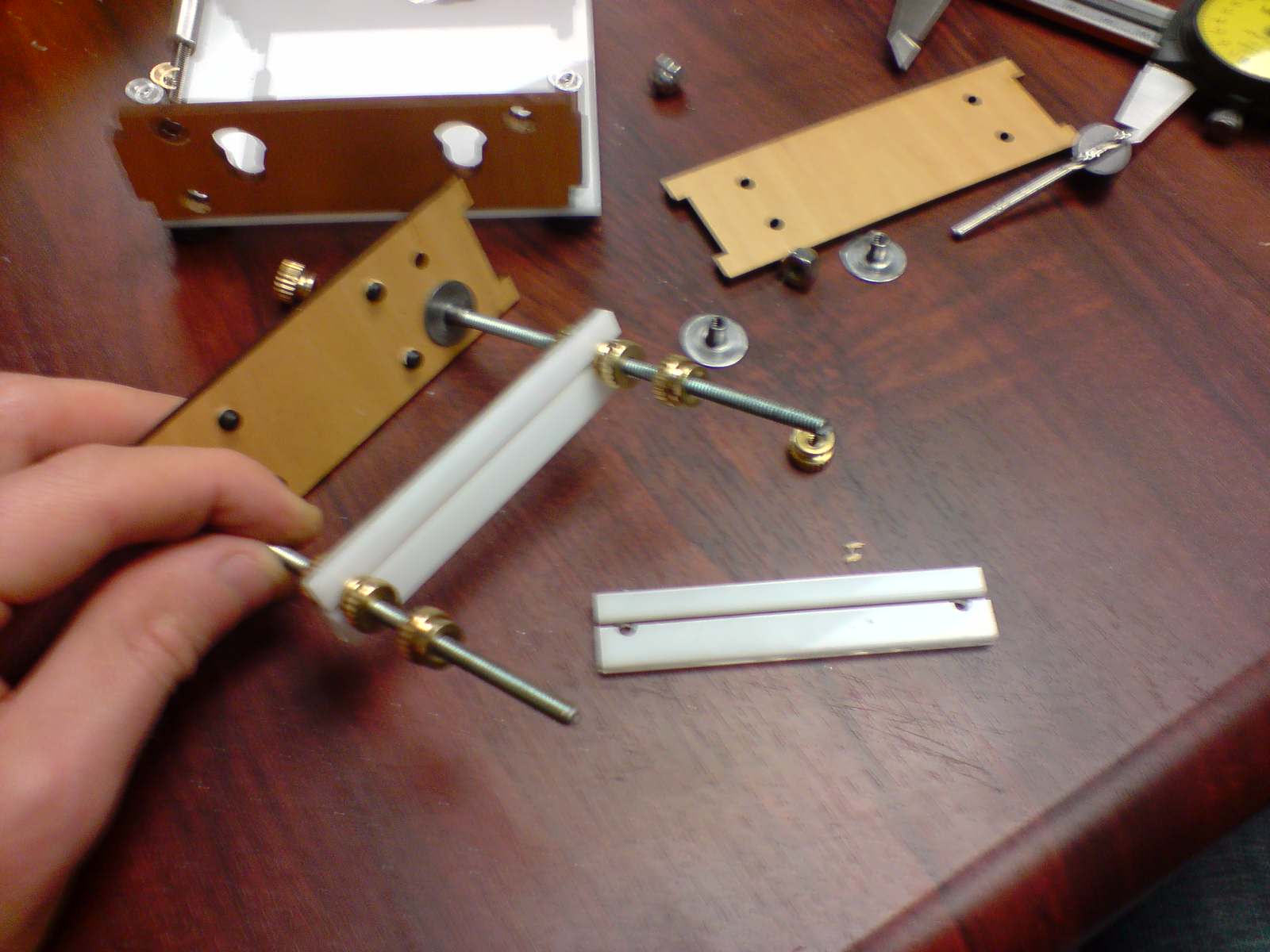
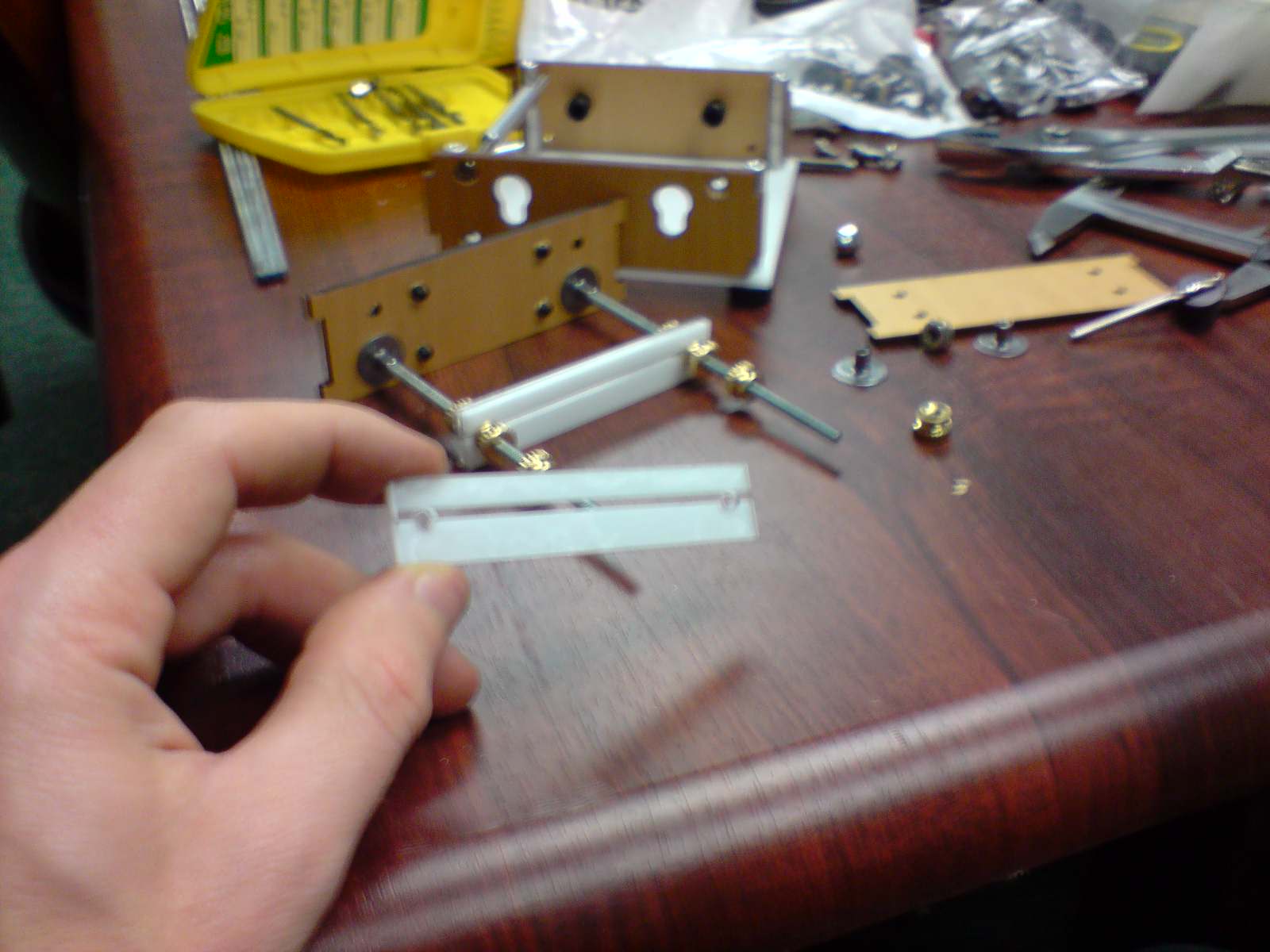
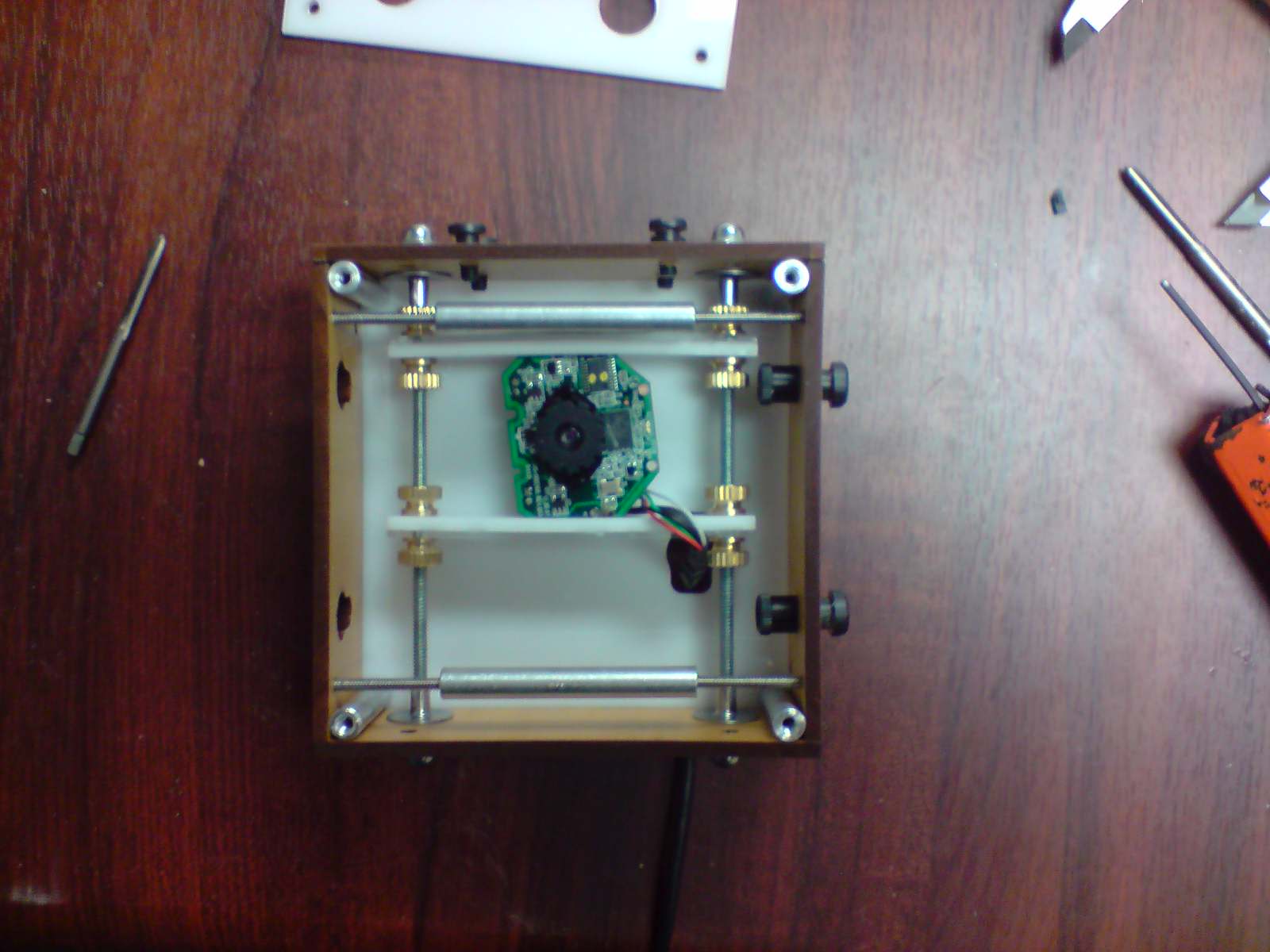
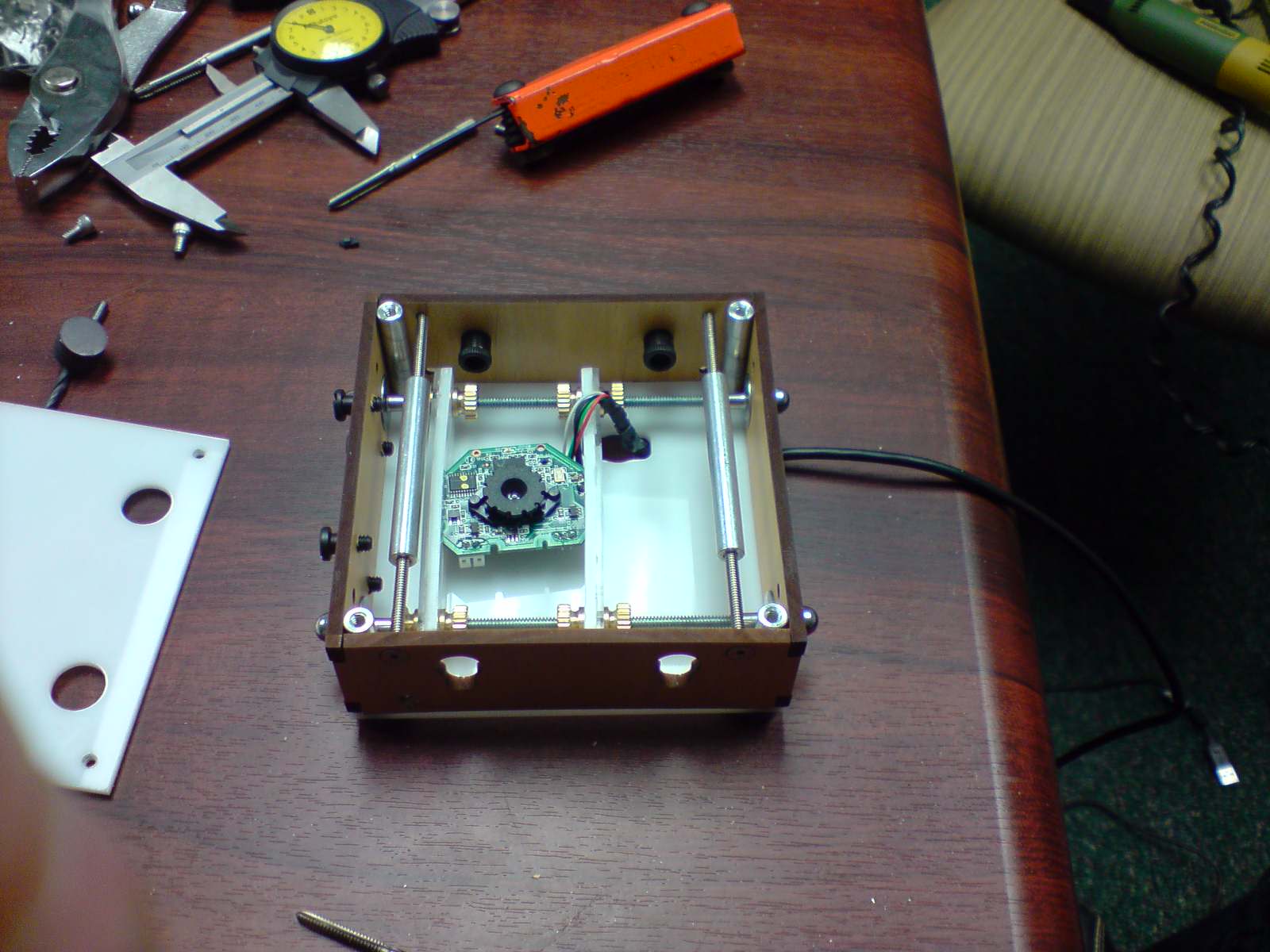
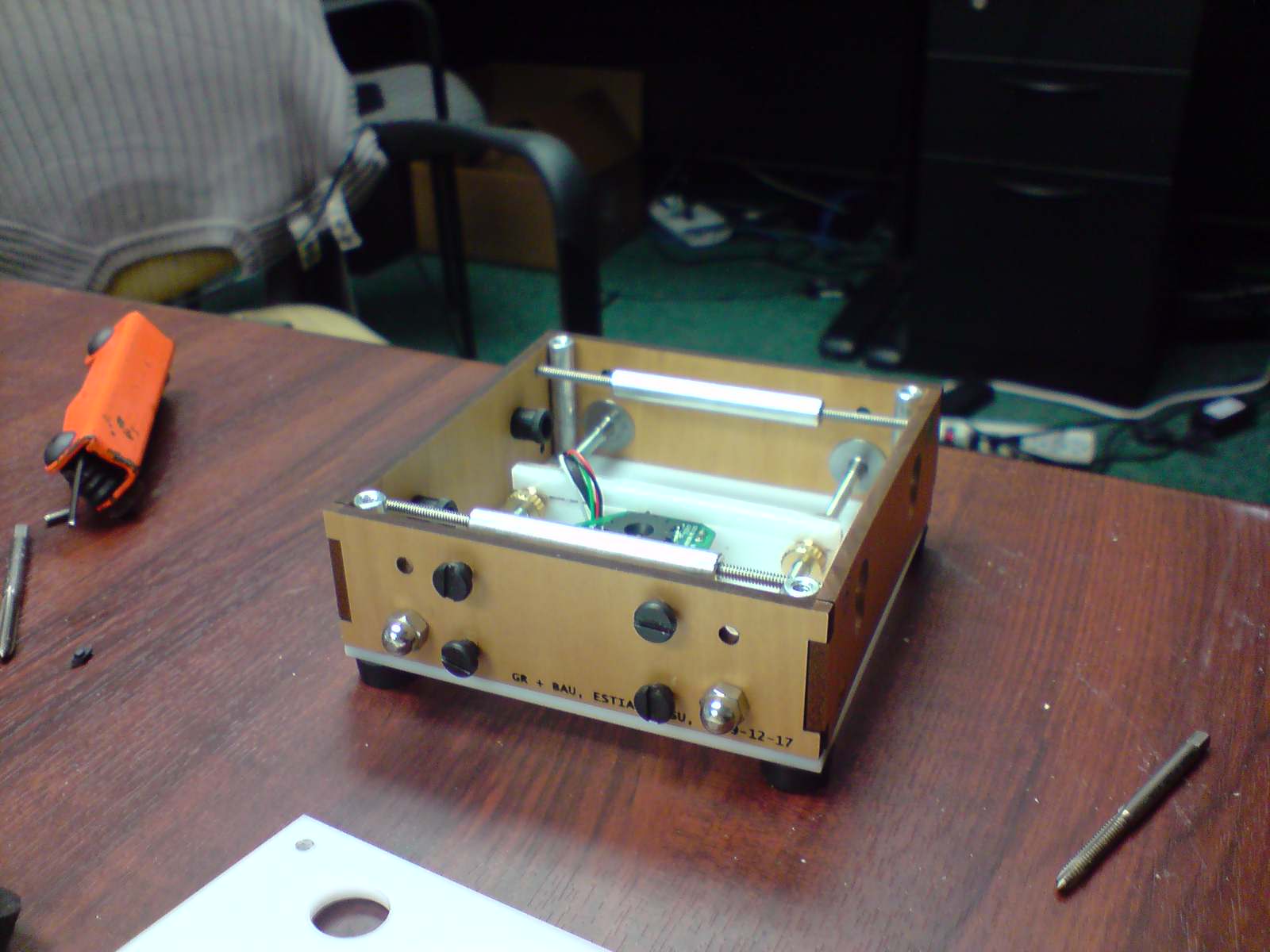
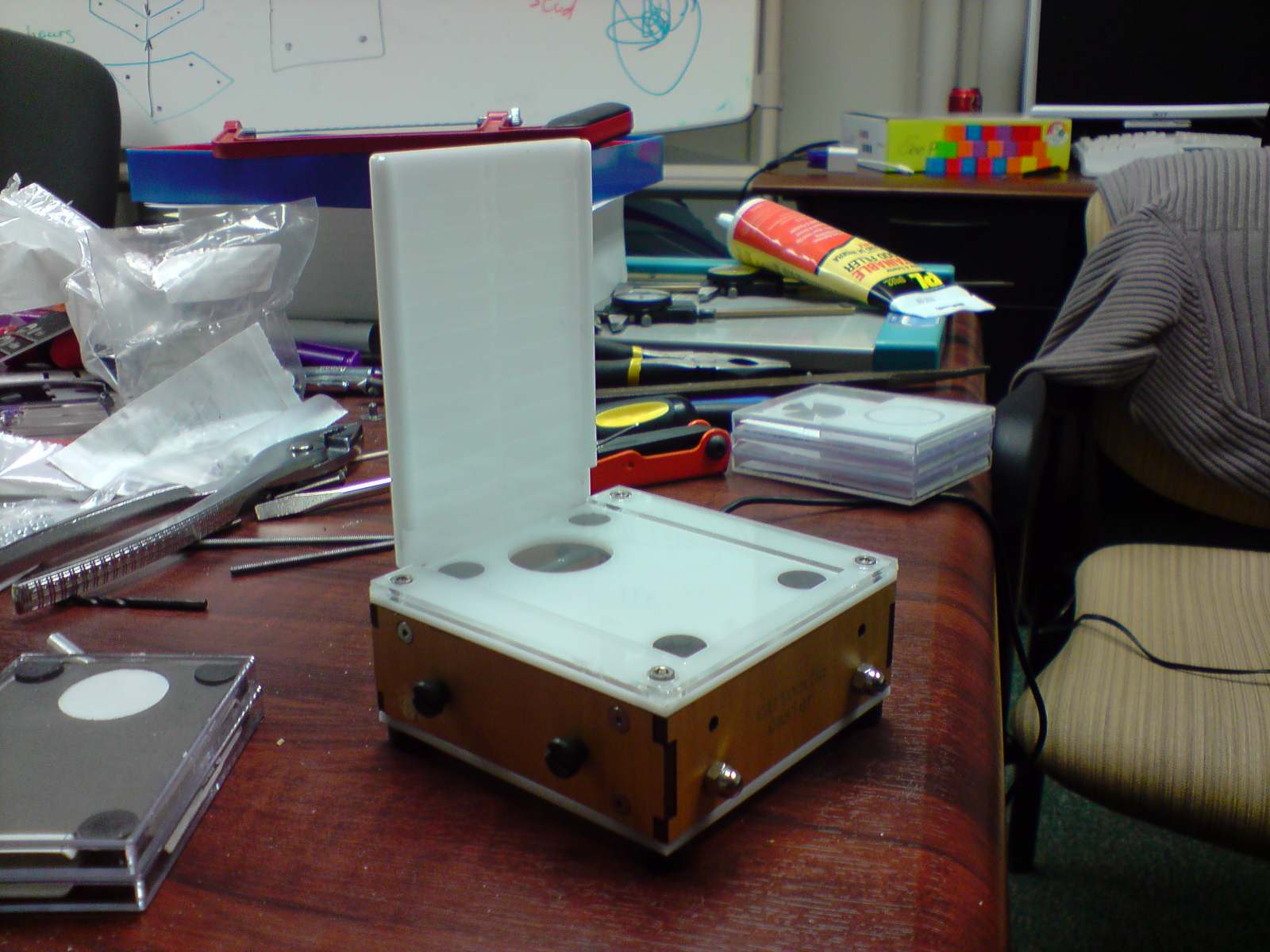
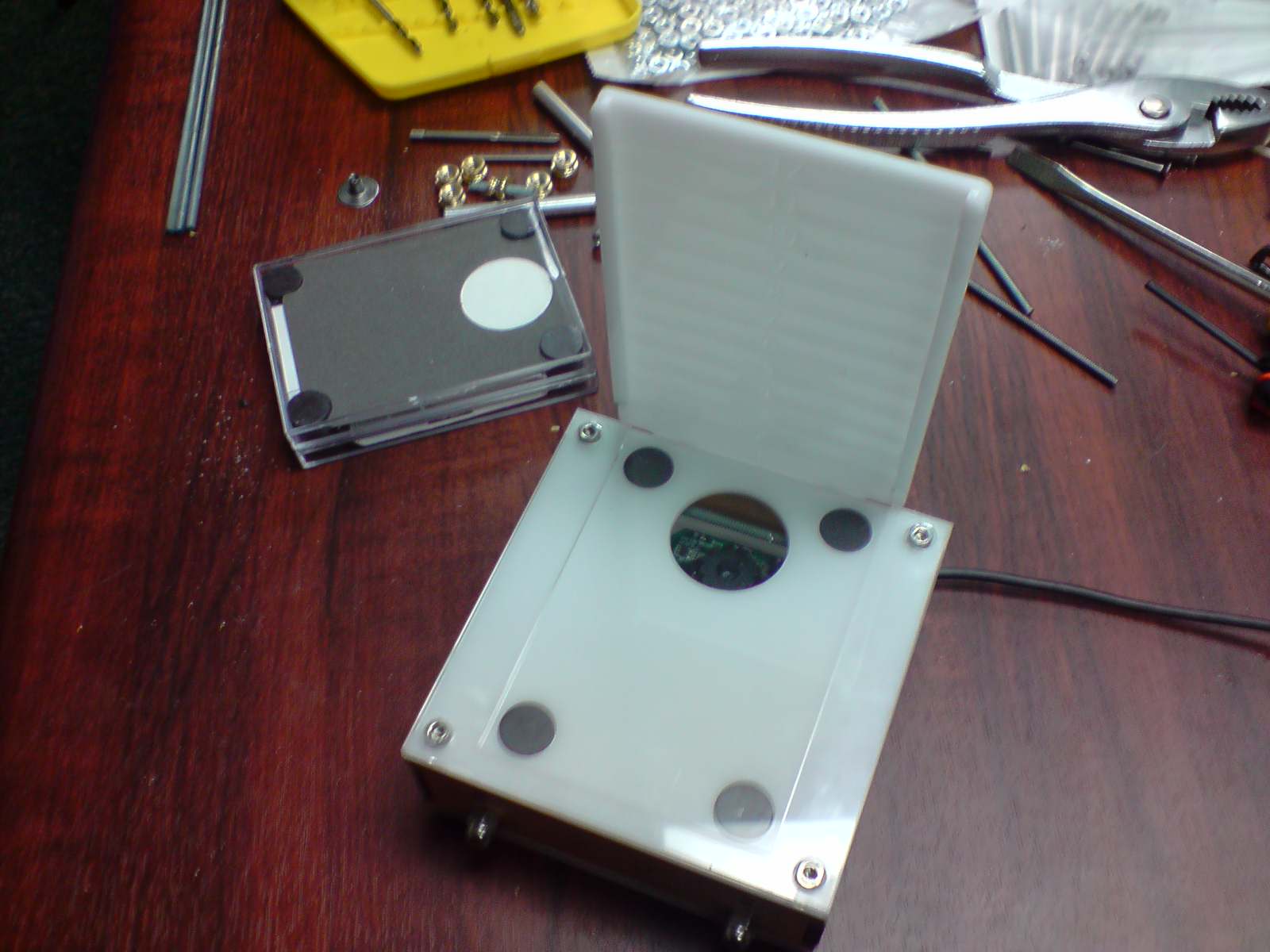
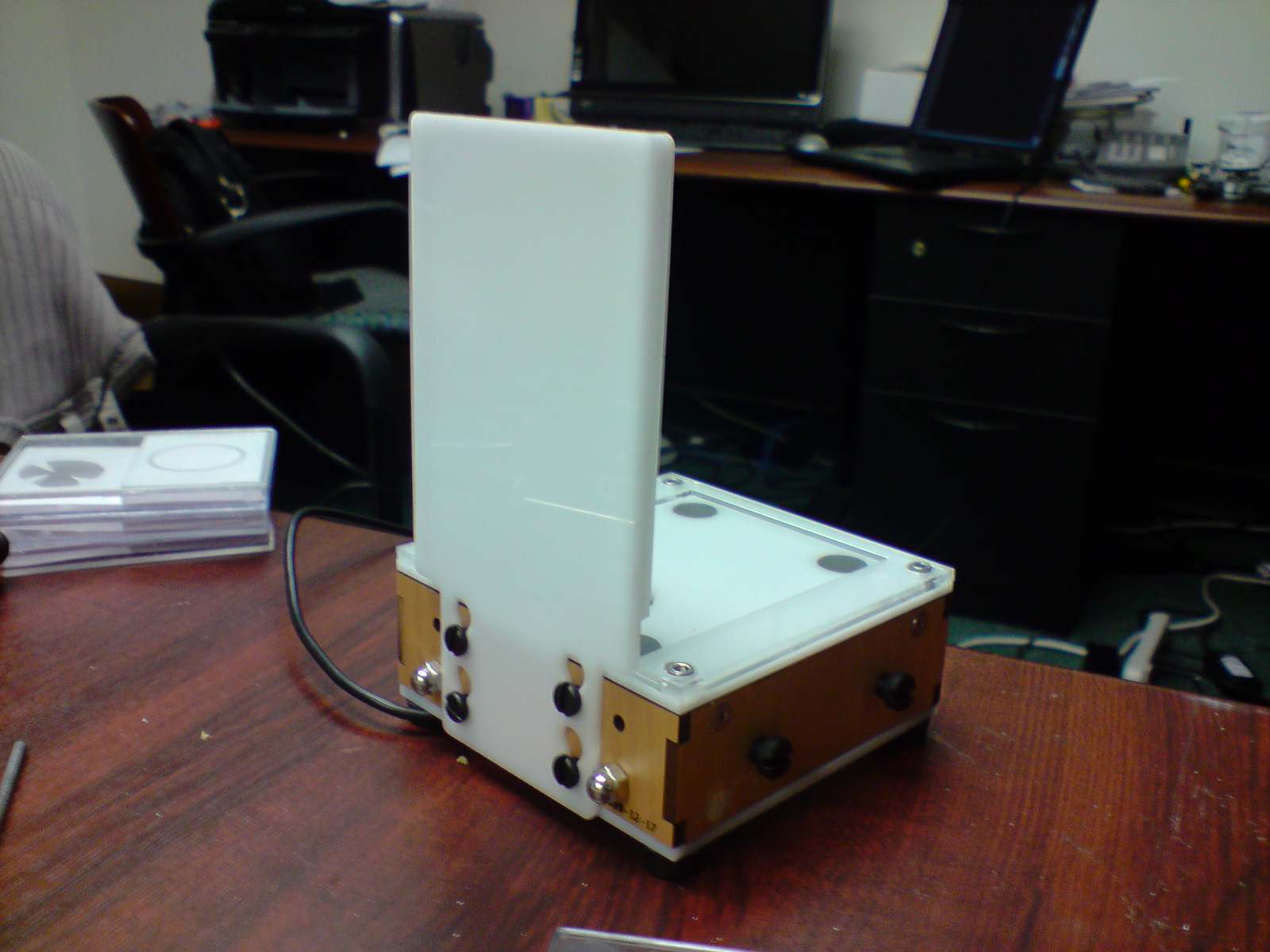
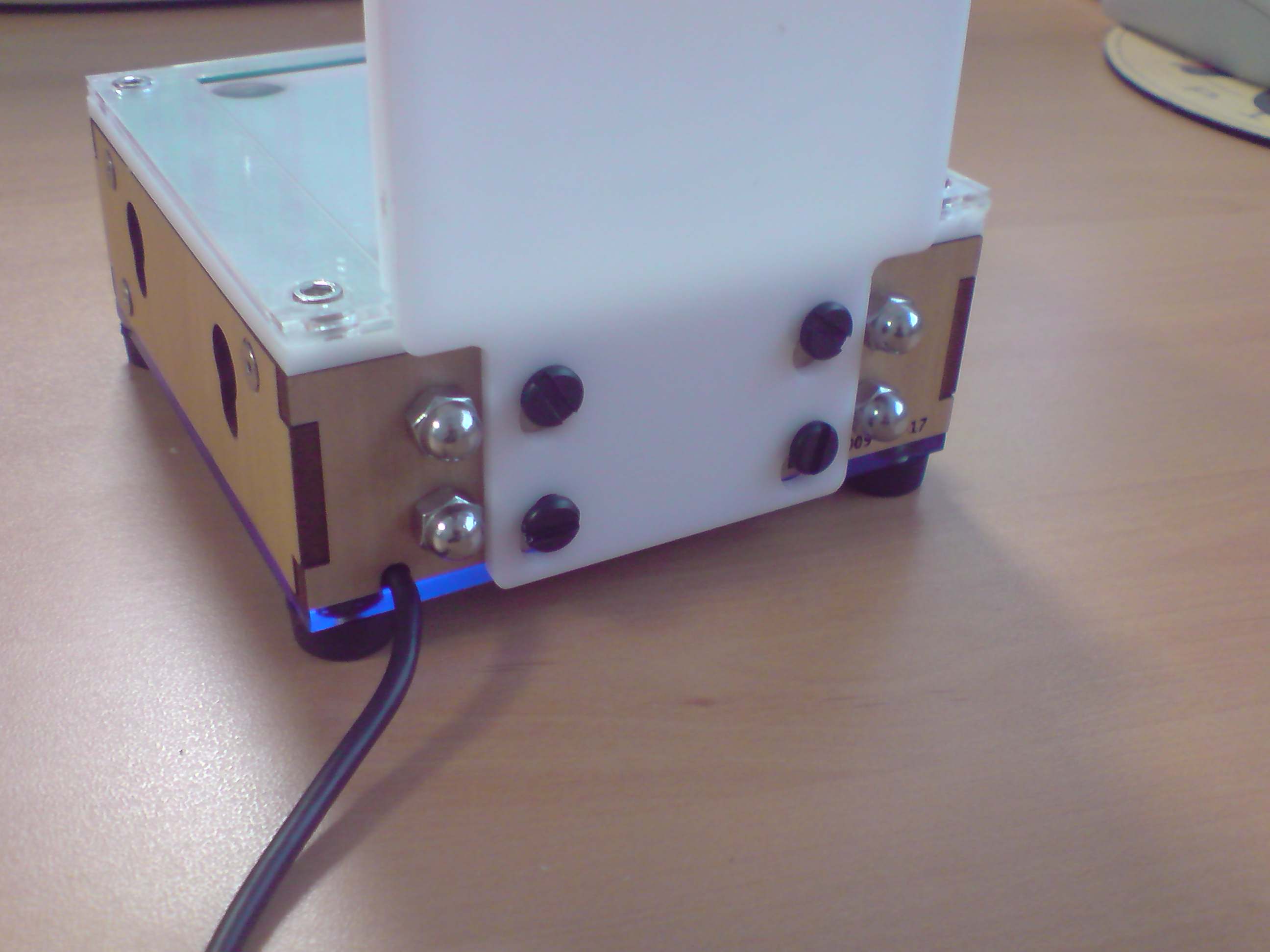
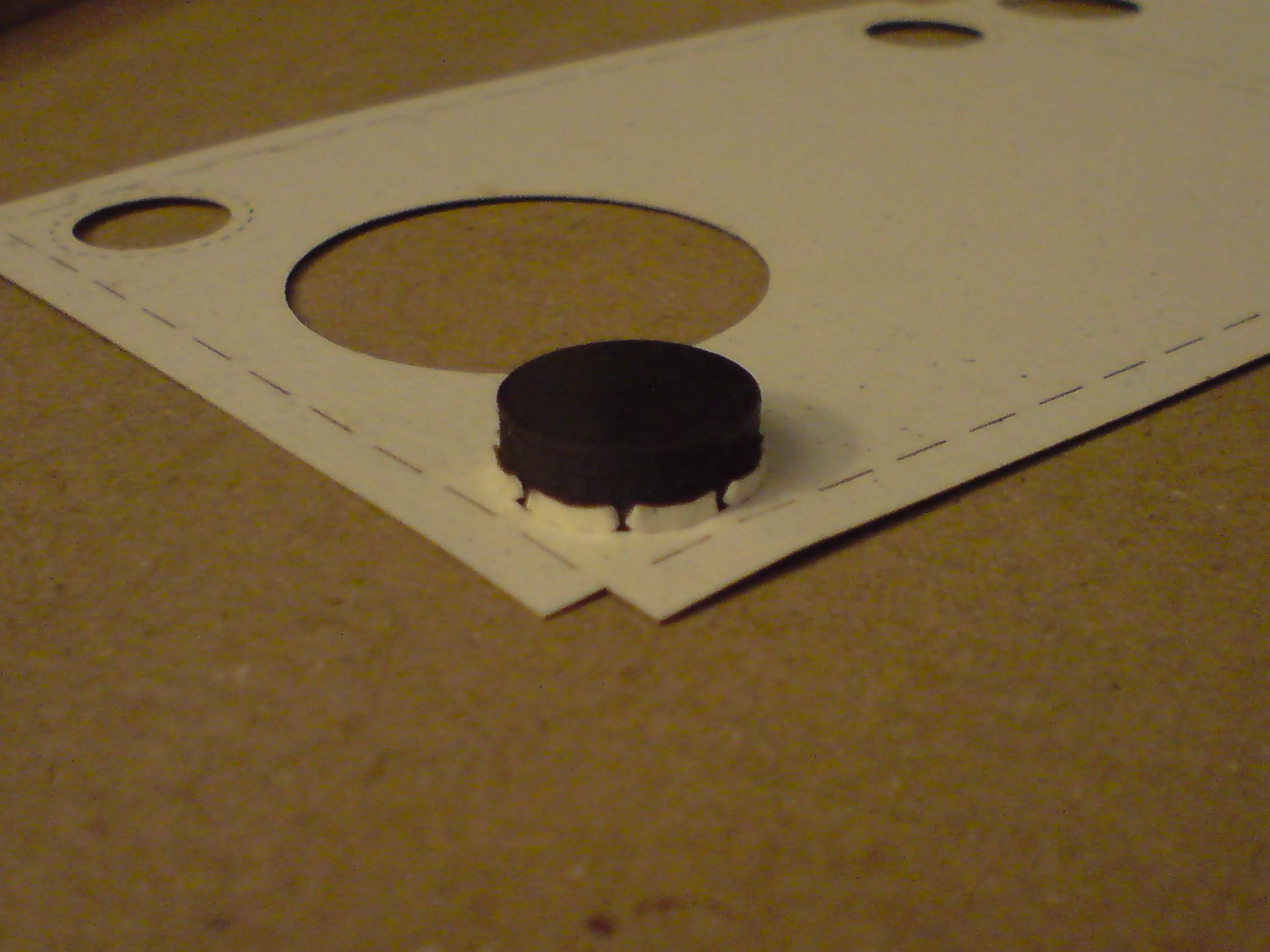
Building a Cartouche
Software
The software to detect a stack of Cartouches on a Casier is written in C and C++ under Debian Lenny. The library V4L2 is used to connect to webcams. The configuration window is written with QT4.5.
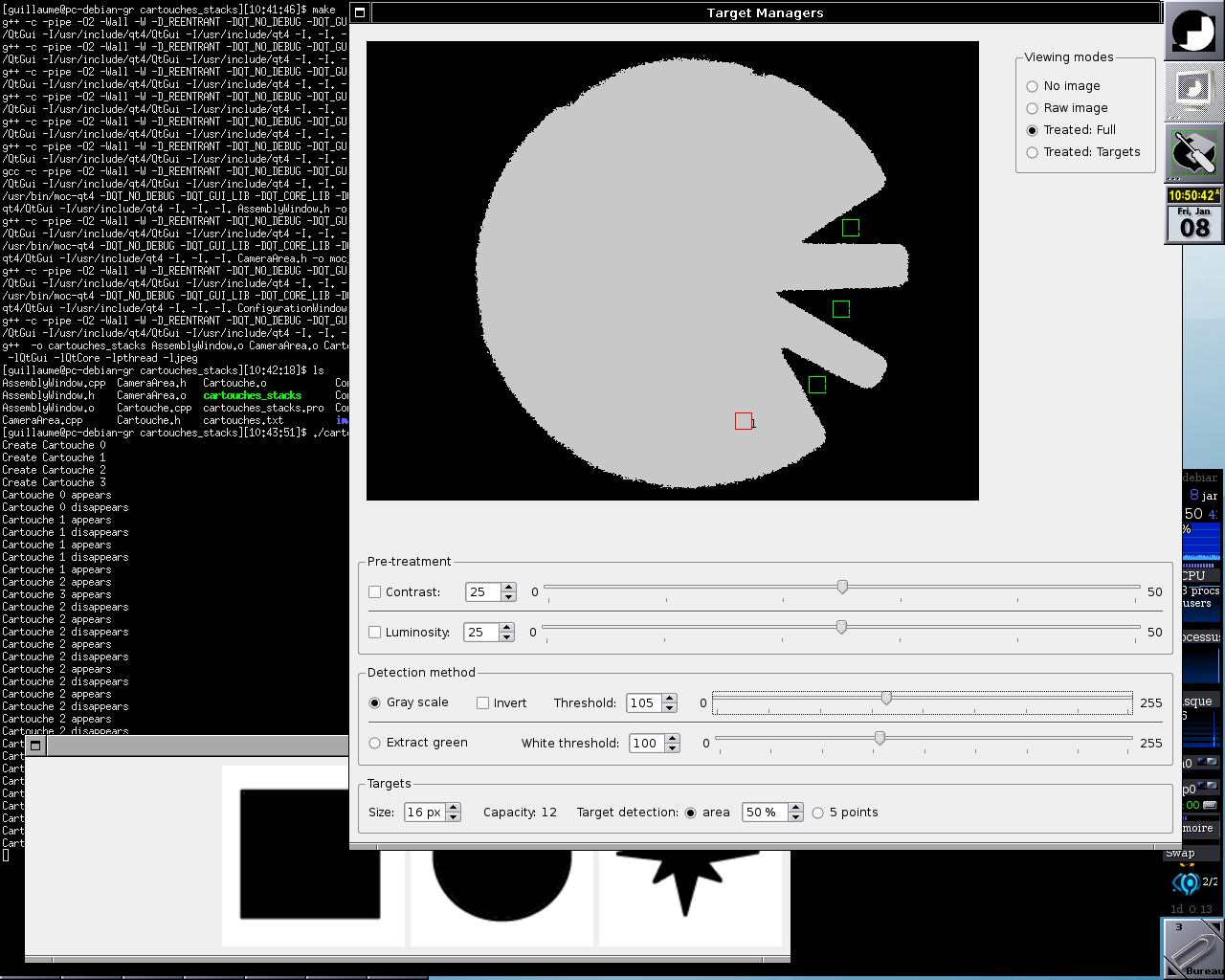
License: Distributed under LGPL v3
Source code: coming soon!
TODO:
- Configuration file (save/load computer vision parameters)
- Management of several Casier (i.e. several webcams)
- Trigger QT signals for "Cartouches X appears on Casier Y" and "Cartouches X disappears from Casier Y" (instead of calling a method of the object)
- Detection of the order of a stack
- ArcheoTUI: interpretation of the presence of the Cartouches on the Casiers to trigger signals
- Test of IR for computer vision
Application to ArcheoTUI
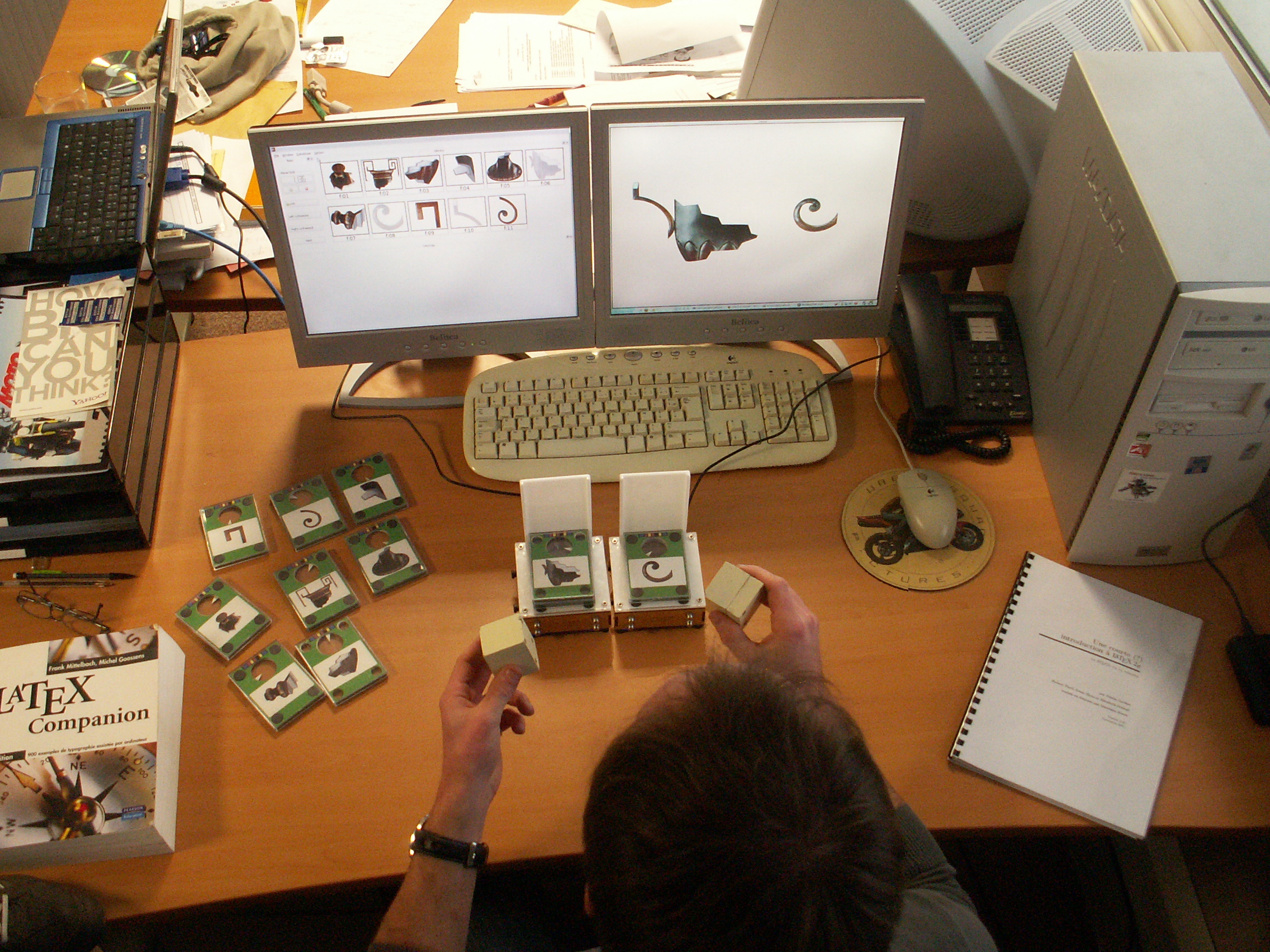
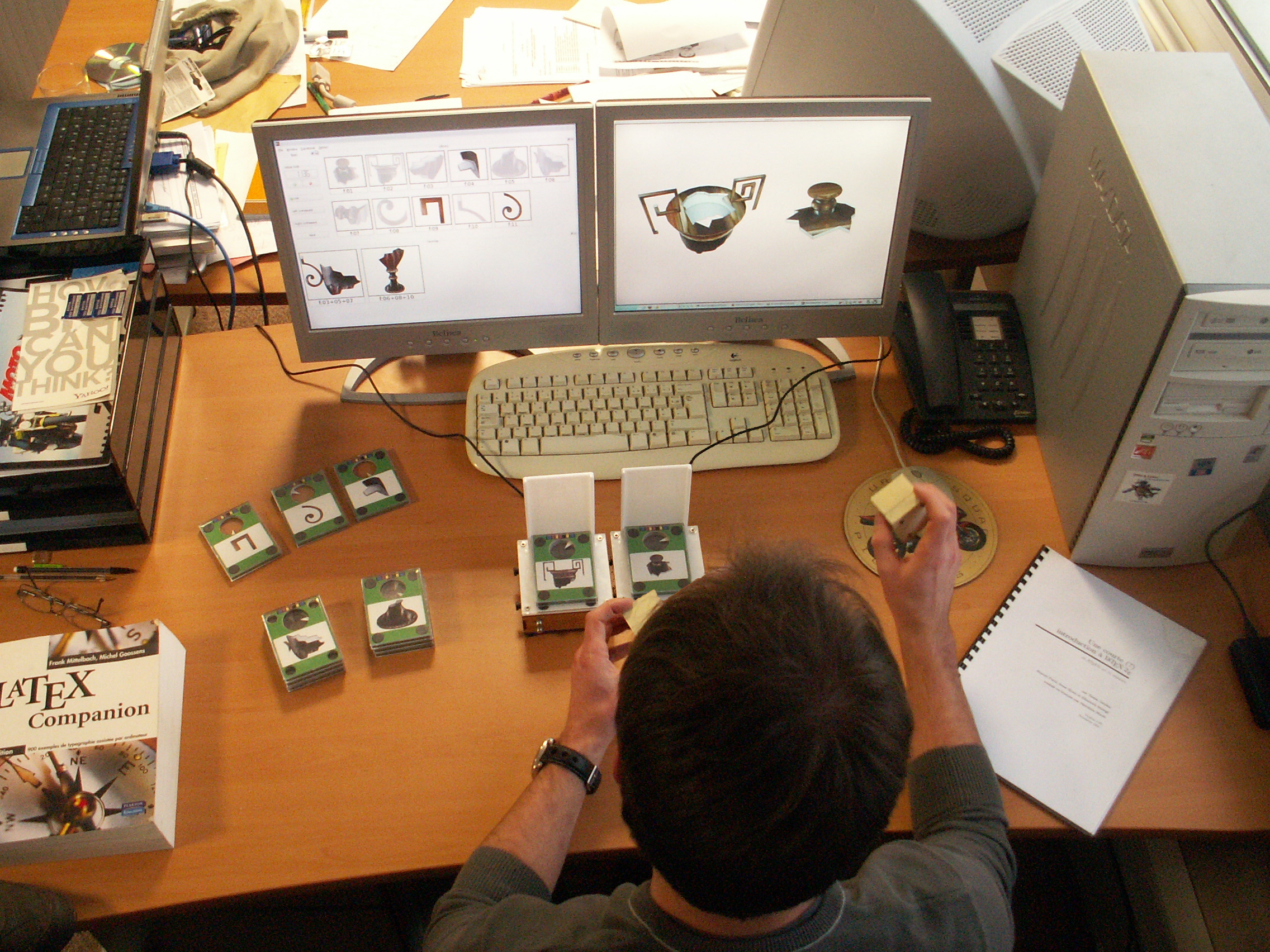
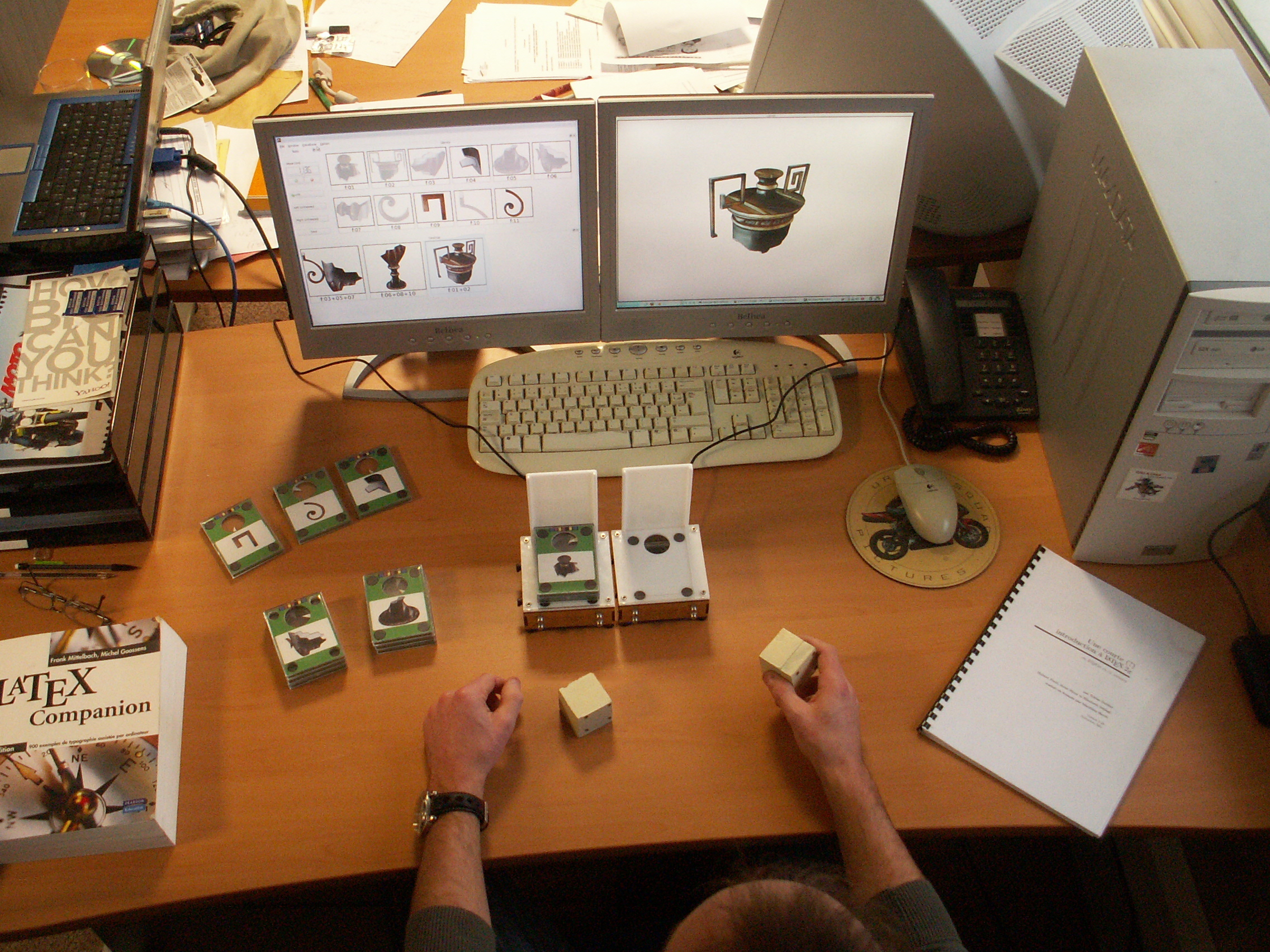
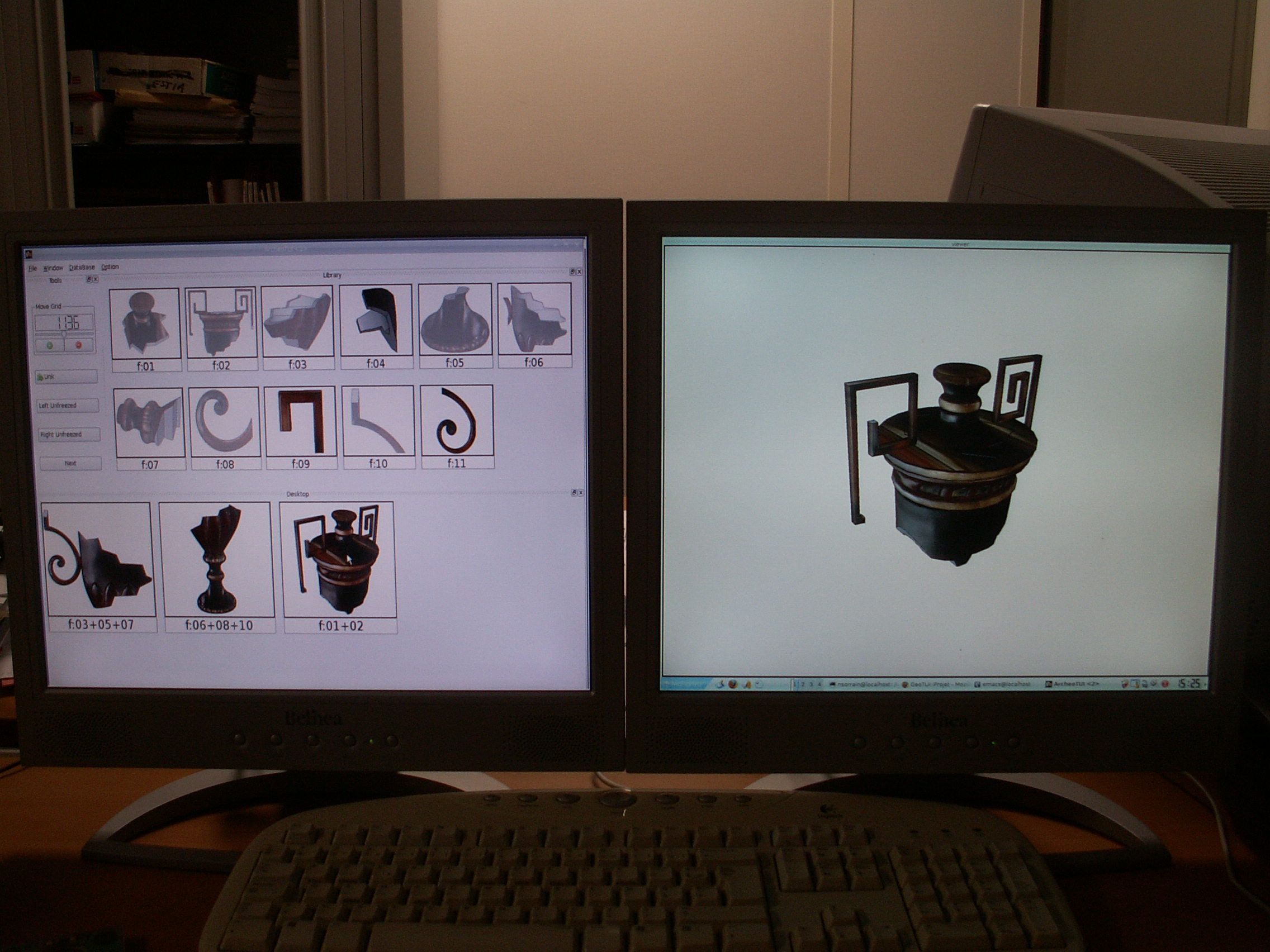
ArcheoTUI [3] is a tangible user interface with pĥysical manipulation in space of props to move digital fragments to perform the virtual assembly of archeological objects. The Cartouches (which represent each a fragment) will be used to easily manage the scene graph of the sub-assemblies in ArcheoTUI thanks to two Casiers (each Casier is associated to a prop).
[3] ArcheoTUI - A Tangible User Interface for the Virtual Reassembly of Fractured Archeological Objects
Reuter P., Rivière G., Couture N., Sorraing N., Espinasse L. and Vergnieux R. Proceedings of the 8th EuroGraphics International Symposium on Virtual Reality, Archaeology and Cultural Heritage, (Brighton, UK, November 27-29, 2007), pp. 15-22. Eurographics Association (2007).
[pdf 978Ko / bib / wmv 24Mo]
A set of Cartouches for a vase
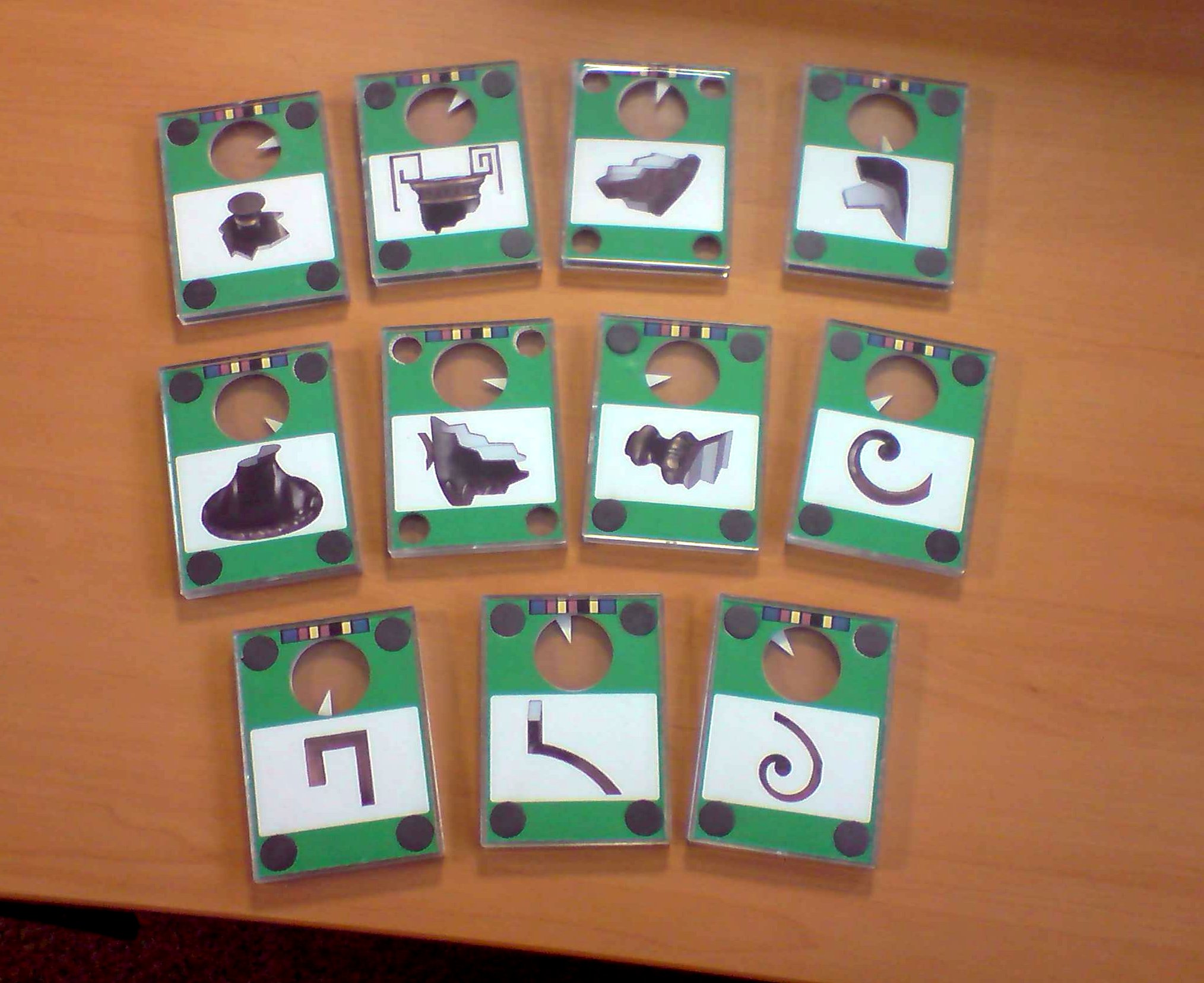
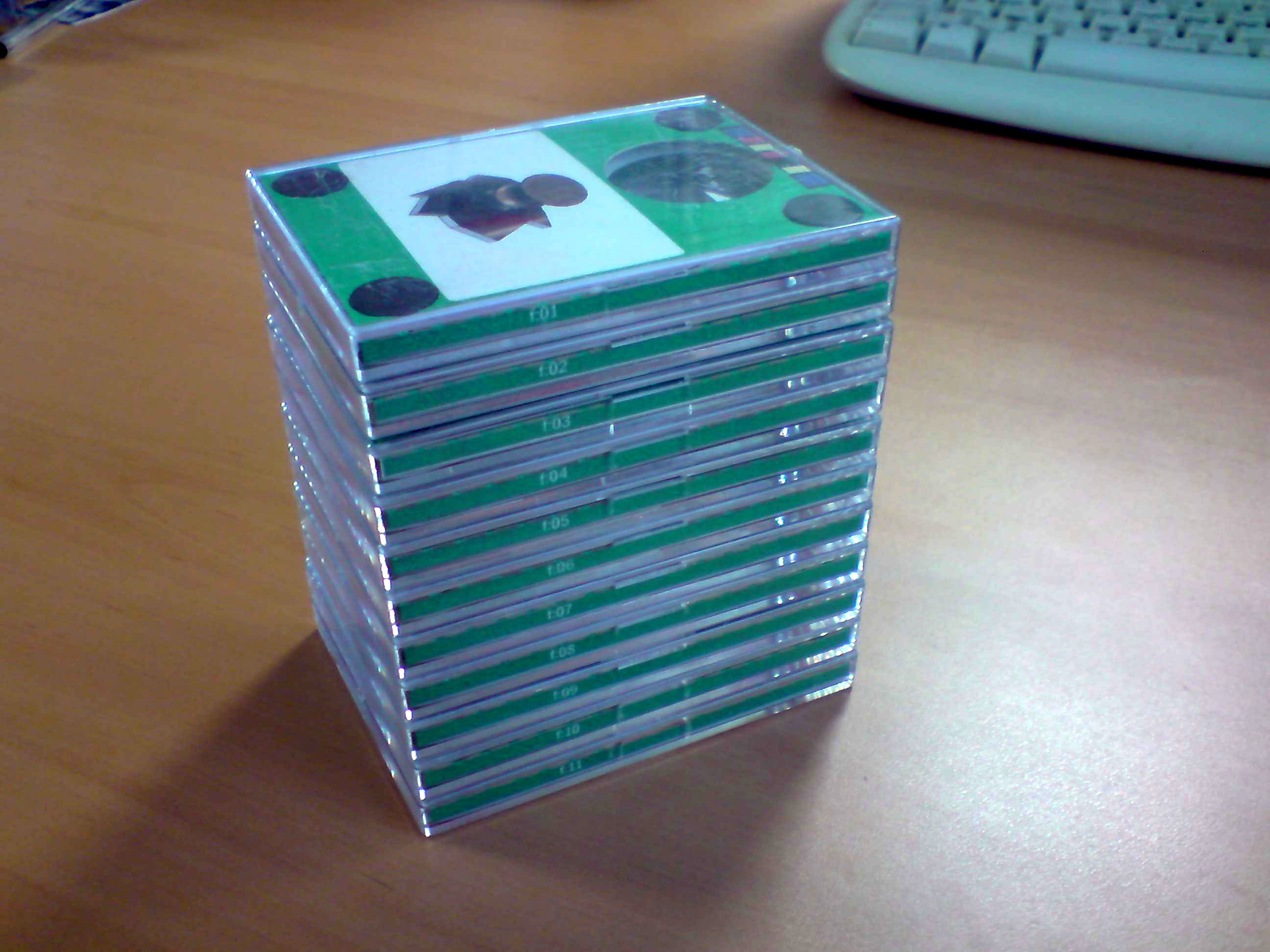
Virtual assembly of a vase with ArcheoTUI and Cartouches (simulation with a photo montage)
Publications
[4] Stacks of Cartouches
Rivière G. Internal report, (Baton Rouge, LA, USA, December 8, 2009). LSU (2010).
[pdf 454 ko]